Baking with Ancient Grains — Einkorn, Emmer & Heritage Rye
Walk into any artisan bakery in Ireland today and you'll likely see the words "ancient grains" on a label somewhere. But what does that actually mean — and why should gardeners and home bakers care?
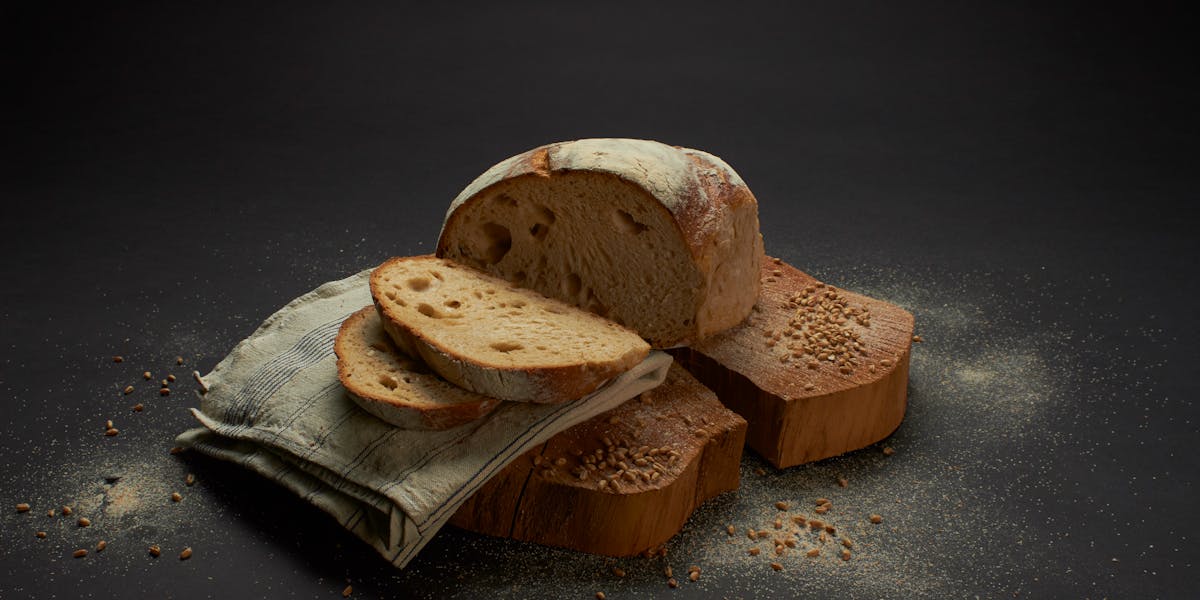
The short answer: the bread wheat we use today (Triticum aestivum) is a relatively modern crop, bred intensively over the last two centuries for high yield and uniform baking properties. For thousands of years before it, the peoples of Europe and the Middle East grew, milled, and baked with a different family of grains — einkorn, emmer, and rye. These older grains are more flavourful, more nutritious, and far more genetically diverse. And the wonderful news for Irish growers is that they're not difficult to cultivate at home.
Why Ancient Grains Matter
Modern wheat varieties have been selected for a narrow set of traits: high yield, strong gluten for industrial baking, and disease resistance suited to monoculture. That's efficient, but it has come at a cost. Genetic diversity in our food crops has narrowed dramatically — the UN's Food and Agriculture Organization estimates that 75% of the world's crop diversity was lost during the twentieth century.
Ancient grains represent a living seed bank of genetic variety. They carry different nutrient profiles, different flavour compounds, and different growing characteristics. For the home grower, they offer something genuinely exciting: the chance to bake bread from grain you grew yourself, with flavours you simply cannot buy in a supermarket.
Einkorn: The World's Oldest Wheat
Einkorn (Triticum monococcum) is the oldest cultivated wheat on earth. It was first domesticated roughly 10,000 years ago in the Fertile Crescent — the arc of land stretching from modern-day Turkey through Iraq and into Iran — and it sustained some of the earliest farming communities in human history.
What makes einkorn special for the baker? Its flour is golden-yellow (thanks to high levels of carotenoids), with a rich, nutty, almost buttery flavour that makes ordinary bread flour taste bland by comparison. Nutritionally, einkorn is higher in protein, essential fatty acids, and certain minerals than modern wheat. It also has a different gluten structure — still present, so it's not suitable for coeliacs, but many people who find modern wheat difficult to digest report fewer problems with einkorn.
The trade-off is that einkorn's gluten is weaker, so it won't give you a tall, airy sandwich loaf. What it will give you is a dense, golden, deeply flavourful bread — more like a traditional Continental loaf. Embrace it for what it is and you'll be rewarded.
Emmer: Grain of the Ancient World
Emmer (Triticum dicoccum) was the grain of ancient Egypt and classical Rome. When Egyptian labourers built the pyramids, emmer bread and emmer beer were their daily rations. The Romans grew it across their empire, and it remained a staple across the Mediterranean for centuries.
Emmer has a lovely chewy texture and an earthy, slightly sweet flavour. It works beautifully in pasta, flatbreads, and pizza dough — anywhere you want flavour and texture rather than height. It's also excellent in porridge-style dishes, cooked whole like farro (in fact, Italian farro is typically emmer).
Like einkorn, emmer has a different nutritional profile to modern wheat — higher in fibre and certain micronutrients, with a gluten structure that some people find easier to manage.
Heritage Rye: The Bread Grain of Northern Europe
If einkorn and emmer belong to the warm south, rye is the grain of the north. For centuries, rye was the principal bread grain of Scandinavia, the Baltic states, Germany, Poland, Russia, and — crucially for Irish growers — much of Northern Europe's cooler, wetter, more acidic landscapes.
Rye thrives in exactly the kind of conditions that Ireland offers: cool temperatures, high rainfall, and acidic soils where wheat struggles. It's hardy, vigorous, and remarkably disease-resistant. This is why it was the everyday bread grain of ordinary people across Northern Europe for so long — it grew where wheat simply wouldn't.
The flavour of rye bread is deep, earthy, and slightly sour — think of a good German pumpernickel or a Danish rugbrod. Rye flour is low in gluten, so pure rye breads are dense and dark. That's not a fault; it's the whole point. A slice of real rye bread, spread with butter and topped with smoked fish or cheese, is one of the great simple meals.
Growing Ancient Grains at Home in Ireland
Here's the part that surprises most people: you don't need a farm to grow grain. A small plot of 4–5 square metres — roughly the size of a large raised bed — can produce enough grain for several loaves of bread. It won't make you self-sufficient, but it will give you a deeply satisfying harvest and bread with a story behind it.
When to sow: Autumn, ideally September to October. Winter-sown grain establishes strong roots before the cold and produces heavier yields than spring-sown crops.
How to grow: Treat ancient grains much like you would wheat. Prepare a well-drained bed, broadcast the seed evenly, and rake it in lightly. Keep it weeded in the early stages. Beyond that, these are robust, undemanding crops — they've been feeding people for millennia without chemical inputs.
Harvest: July to August, when the ears are golden and the grain is hard. Cut, dry, thresh (a pillowcase and a stick works surprisingly well for small quantities), and winnow. Then mill your flour with a stone hand mill — stone-ground flour retains all the bran, germ, and nutrition that roller milling strips away.
Baking Tips for Beginners
Ancient grain flours behave differently from modern strong white flour. The key thing to remember is that their gluten is weaker, which means:
- Start with a 50/50 blend. Mix your ancient grain flour half-and-half with a strong bread flour for your first few bakes. This gives you the flavour of the ancient grain with enough gluten structure to get a decent rise.
- Expect a denser crumb. This is normal and desirable. You're making traditional bread, not an industrial sandwich loaf.
- Sourdough is your friend. The long fermentation of sourdough develops flavour beautifully in ancient grains and makes them easier to digest.
- Don't over-knead. Weaker gluten tears if you work it too hard. Gentle folding and long, slow rises give the best results.
Get Started
Ready to grow and bake with grains that have fed humanity for ten thousand years? Our Ancient Grains Kit includes einkorn, emmer, and heritage rye seeds with full growing and baking instructions — everything you need to go from plot to loaf.
Shop the Ancient Grains Kit | Stone Hand Mill | Heritage Grain Milling Kit | Browse All Grain Seeds