7 Edible Plants Hiding in Plain Sight in Your Irish Garden
There's a quiet irony in Irish gardening: we spend hours weeding out plants that our ancestors deliberately grew for food. Many of the "weeds" we pull up without a second thought were once valued crops — cultivated, harvested, and eaten for centuries before modern vegetables replaced them.
Here are seven edible plants that are almost certainly growing in or near your Irish garden right now.
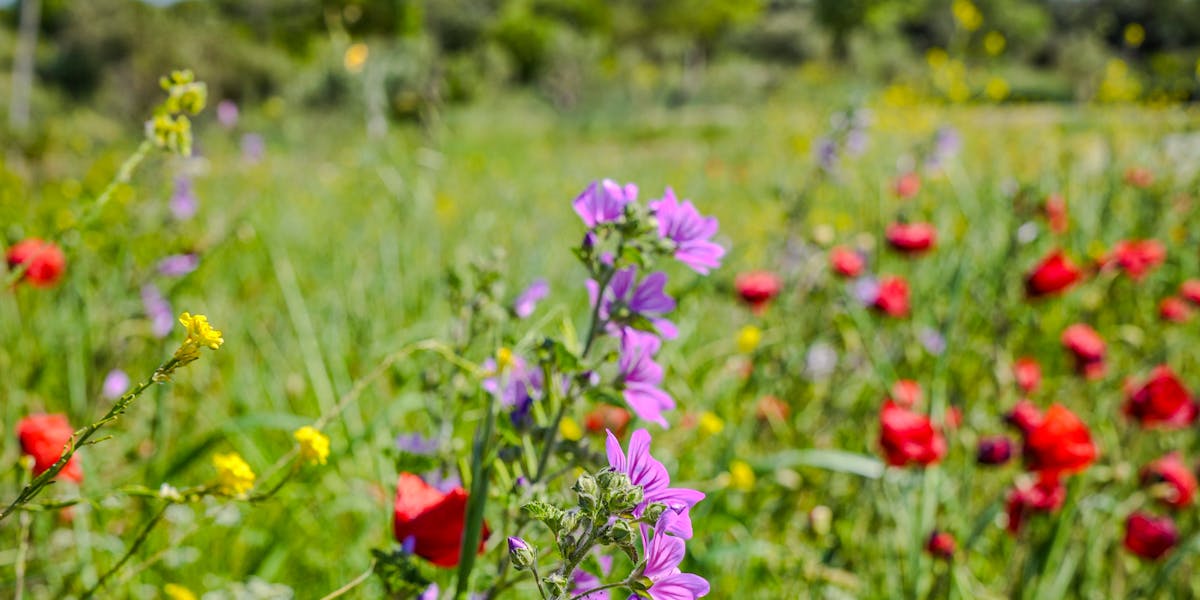 Some you can forage for free; others we carry as seed so you can grow them intentionally.
A note on safety: Always identify any wild plant with absolute certainty before eating it. Use a proper field guide — we recommend The Forager's Calendar by John Wright or Wild Food by Roger Phillips. If you're not 100% sure, don't eat it. Some edible plants have toxic lookalikes.
1. Stinging Nettle (Urtica dioica)
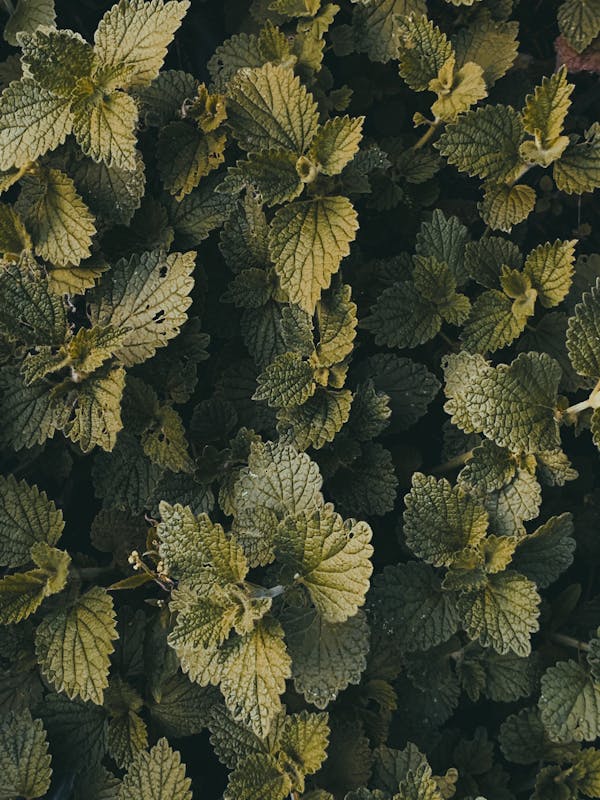
The humble nettle is probably the most underrated food plant in Ireland. The young spring tips — gathered in March and April before the plants flower — are extraordinarily nutritious: rich in iron, calcium, magnesium, and vitamins A and C. Weight for weight, nettles contain more iron than spinach and more protein than most cultivated greens.
Pick the top four to six leaves from young plants (wearing gloves, obviously), and use them anywhere you'd use spinach. Nettle soup is a classic — sauté an onion, add a colander of nettle tips and a diced potato, cover with stock, simmer, and blend. The sting disappears completely with cooking. You can also wilt nettles into pasta, blend them into pesto, or dry them for tea.
Nettles are also outstanding for your garden — they're a key food plant for butterflies and a sign of nitrogen-rich soil.
2. Dandelion (Taraxacum officinale)
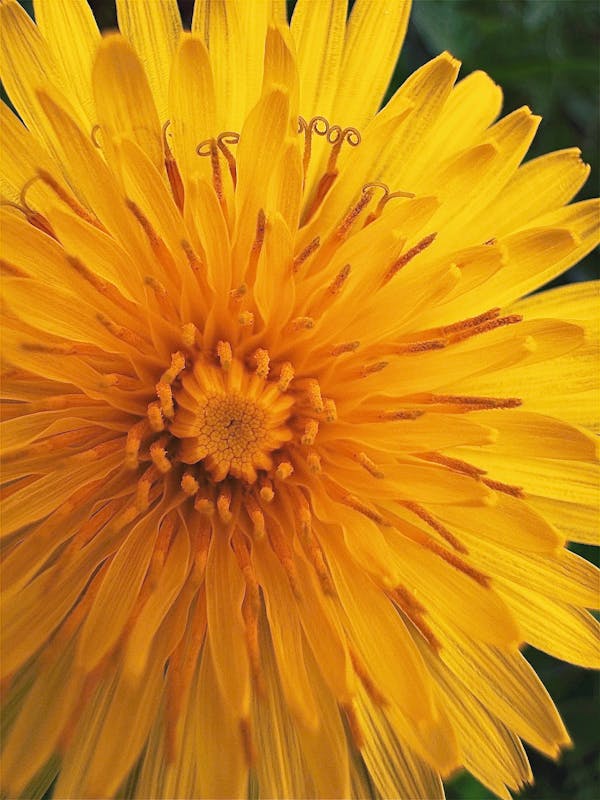
Every lawn in Ireland is full of dandelions, and every part of the plant is edible. The young leaves, gathered before flowering, make a slightly bitter salad green — excellent mixed with milder lettuce and dressed with a mustardy vinaigrette. The French name pissenlit gives you a clue to its traditional reputation as a diuretic, but it's also genuinely rich in vitamins A, C, and K, plus potassium.
The roots, dug in autumn when their energy stores are highest, can be scrubbed, roasted, and ground to make a passable caffeine-free coffee substitute — a tradition that goes back centuries. The flowers can be made into wine, syrup, or simply scattered over salads for colour.
Don't spray your dandelions. Eat them.
3. Fat Hen (Chenopodium album)
Fat hen is one of the oldest food plants in Europe. Seeds of Chenopodium album have been found at Iron Age sites across Ireland and Britain, and it was a staple green vegetable long before spinach arrived from Persia in the medieval period. Its close relative, quinoa (Chenopodium quinoa), is now a global superfood — fat hen deserves the same attention.
The leaves are mild-flavoured and remarkably nutritious: higher in protein, calcium, and iron than spinach. Cook them exactly as you would spinach — wilted with butter and garlic, stirred into risotto, or blanched and added to quiches and tarts. The seeds are also edible and can be cooked like grain.
Fat hen grows readily from seed and self-sows enthusiastically. Give it a patch and it'll come back year after year.
4. Alexanders (Smyrnium olusatrum)
If you live near the Irish coast, you've almost certainly walked past alexanders without knowing what they are. This tall, glossy-leaved plant with yellow-green flower heads was introduced to Ireland by the Romans (or possibly earlier) as a pot herb — essentially the celery of the ancient world.
Every part of alexanders is edible. The young stems can be peeled and eaten raw or steamed like asparagus. The leaves add a strong, celery-like flavour to soups and stews. Even the flower buds can be pickled. The flavour is bold — somewhere between celery, parsley, and myrrh — and a little goes a long way.
Alexanders was once so common in Irish monastic gardens that it naturalised along our coastlines, where it still grows abundantly today. You'll find it on roadsides, hedgerows, and waste ground near the sea, particularly in the south and east.
5. Good King Henry (Chenopodium bonus-henricus)
Good King Henry — sometimes called "Poor Man's Asparagus" — is a perennial plant that gives you two harvests for the price of one. In spring, the young shoots can be cut and cooked exactly like asparagus. Through summer, the arrow-shaped leaves are picked and used like spinach. One planting gives you years of harvests with almost no effort.
This was a cottage garden staple across Britain and Ireland for centuries. It's undemanding, tolerates poor soil, and doesn't mind partial shade. The flavour of the leaves is mild and earthy; the shoots, when blanched by earthing up, are tender and sweet.
As a perennial, Good King Henry is the ultimate low-maintenance food plant. Plant it once, harvest it for a decade.
Browse our Good King Henry Seeds
6. Sea Beet (Beta vulgaris subsp. maritima)
Here's a remarkable fact: every beetroot, sugar beet, chard, and spinach beet variety in the world descends from this one wild plant. Sea beet is the ancestor of them all, and it still grows wild along the Irish coastline — rocky shores, sea walls, shingle beaches, and cliff edges.
The leaves are thick, glossy, and deep green, with a rich flavour that's somewhere between spinach and chard but better than both. They're superb simply wilted with butter and a squeeze of lemon, or added to any dish where you'd use chard or spinach.
Sea beet is available from roughly March through to November, making it one of the longest-season wild greens in Ireland. If you find a coastal patch, you have a free supply of genuinely excellent greens for most of the year. Just pick a few leaves from each plant and move on — never strip a plant bare.
7. Sorrel (Rumex acetosa)
Common sorrel grows wild in meadows and grasslands across Ireland, and cultivated French sorrel (Rumex scutatus) has been a kitchen garden staple for centuries. Both have the same distinctive sharp, lemony tang that makes sorrel one of the most interesting flavours in the plant world.
The classic use is sorrel soup — a staple of French country cooking. Sweat sorrel leaves in butter, add stock and a potato for body, simmer, and blend. The result is a vivid green, sharp, refreshing soup that's perfect in spring. Sorrel also makes a brilliant sauce for fish (especially salmon), and the young leaves add a lovely zing to salads.
Sorrel is a tough perennial that will grow in almost any Irish garden. It's one of the first greens to appear in spring and one of the last to die back in autumn. A few plants will keep a household supplied all season.
Start Seeing Your Garden Differently
Once you learn to recognise these plants, you'll see them everywhere — in your garden, along roadsides, on coastal walks. Some you can forage responsibly; others you can grow deliberately from seed.
The broader point is this: our ancestors were not sentimental about plants. If something was nutritious, flavourful, and easy to grow, they grew it. Many of these "weeds" fell out of favour not because they aren't good, but simply because newer arrivals replaced them. They've been quietly waiting in our hedgerows and garden edges ever since.
Browse our Heritage Seeds Collection | Read our Heritage Growing Guides