A Guide to Ireland's Wild Bees — And Why They Need Our Help
When most people think of bees, they picture a honeybee in a hive. But Ireland is home to 98 bee species, and the honeybee is just one of them. The other 97 — our wild bees — are the ones quietly holding the Irish landscape together. They pollinate our crops, wildflowers, and hedgerows, and they've been doing it for thousands of years without any help from beekeepers.
The trouble is, nearly a third of them are now threatened with extinction.
Ireland's Bee Families
Ireland's 98 bee species fall into three broad groups:
- 1 honeybee species (Apis mellifera) — managed in hives, tended by beekeepers
- 21 bumblebee species — the familiar fuzzy ones you see working clover and foxglove
- 76 solitary bee species — smaller, less conspicuous, and largely unknown to most people
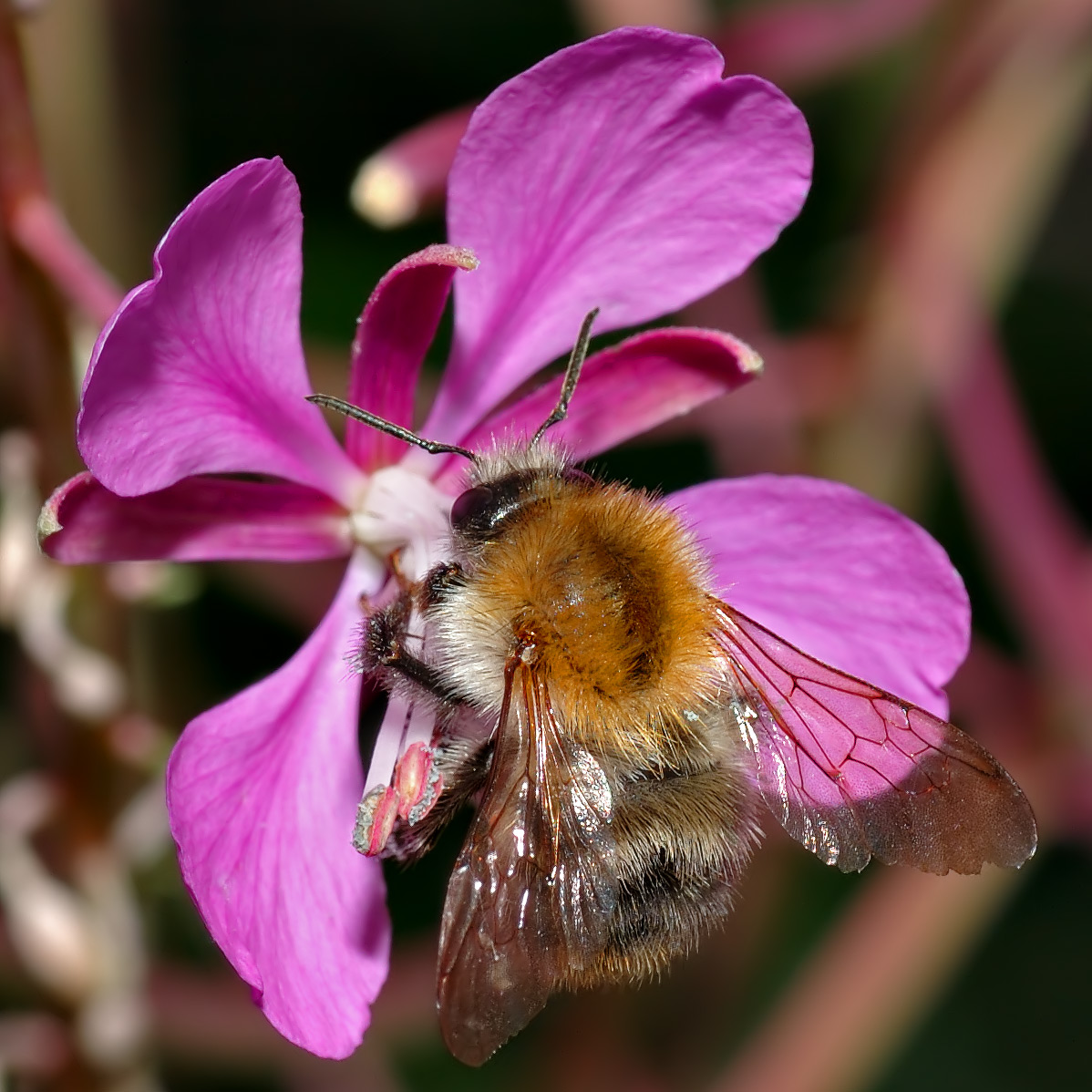
It's a common misunderstanding that keeping honeybees helps "save the bees." Honeybees are managed livestock, much like cattle or sheep. Their numbers are determined by how many hives beekeepers maintain. Wild bees — our bumblebees and solitary bees — are the ones in genuine decline, and they are the ones that most urgently need our attention.
The Bumblebees You'll Meet
Bumblebees are Ireland's most recognisable wild bees. You'll likely encounter several species in your garden without even realising they're different:
Common Carder Bee (Bombus pascuorum) — Ginger-brown and fluffy, this is one of Ireland's most widespread bumblebees. It has a long tongue, which makes it especially good at reaching nectar in deep flowers like foxglove and red clover.
Buff-tailed Bumblebee (Bombus terrestris) — Large and confident, with a distinctive buff-coloured tail. One of the first bumblebees to emerge in spring, sometimes as early as February.
Red-tailed Bumblebee (Bombus lapidarius) — Jet black with a vivid orange-red tail. A striking bee that nests in old stone walls, rockeries, and underground cavities.
Garden Bumblebee (Bombus hortorum) — A long-tongued species with a white tail, often seen working honeysuckle, comfrey, and bean flowers. Common in gardens throughout Ireland.
Great Yellow Bumblebee (Bombus distinguendus) — Once widespread, this magnificent bee is now confined to a handful of sites along the west coast of Ireland, the Aran Islands, and parts of the Scottish Highlands. Its decline is a warning of what happens when wildflower-rich grassland disappears.
The Solitary Bees You Might Not Notice
Solitary bees make up the vast majority of Ireland's bee species, yet most people have never heard of them. Unlike bumblebees, they don't form colonies. Each female builds her own nest, provisions it with pollen, and lays her eggs alone.
Mining bees dig burrows in bare or sparsely vegetated soil. You might notice small mounds of earth on a south-facing garden path or lawn edge in spring — that's a mining bee at work.
Mason bees nest in crevices in old walls, mortar joints, and hollow stems. They seal their nest cells with mud, which is where the name comes from.
Leafcutter bees cut neat semicircles from rose leaves and other soft foliage to line their nests. If you spot those telltale holes in your rose bushes, a leafcutter bee is your neighbour.
These bees are gentle, rarely sting, and are extraordinarily efficient pollinators. A single red mason bee can pollinate as many apple blossoms in a day as 120 honeybees.
Why Wild Bees Matter More Than You Think
Wild bees are not just backup pollinators — in many cases, they outperform honeybees:
- Buzz pollination — Bumblebees vibrate their flight muscles to shake pollen loose from flowers like tomatoes, peppers, and blueberries. Honeybees cannot do this.
- Early season activity — Many wild bees are active weeks before honeybee colonies build up to foraging strength, pollinating early-flowering crops and fruit trees.
- Cold and wet weather foraging — Bumblebees forage at lower temperatures and in lighter rain than honeybees. In an Irish spring, that matters enormously.
- Diverse flower fidelity — Different wild bee species visit different flowers, ensuring more thorough cross-pollination across a wider range of plants.
What's Driving the Decline
According to the All-Ireland Pollinator Plan, 30% of Ireland's bee species are threatened with extinction. The causes are well understood:
- Habitat loss — Ireland has lost an estimated 97% of its species-rich grasslands since the 1970s — within living memory, a single generation. The wildflower meadows, roadside verges, and rough field margins that sustained wild bees have been replaced by improved ryegrass pasture.
- Pesticides — Herbicides remove wildflowers from the landscape. Insecticides kill bees directly or impair their navigation and reproduction.
- Loss of nesting habitat — Tidied gardens, repointed walls, and closely mown lawns eliminate the bare soil, cavities, and dead stems that solitary bees depend on for nesting.
- Climate change — Shifting seasons can create mismatches between bee emergence and flower availability, and extreme weather events destroy nests and colonies.
What You Can Do to Help
The good news is that wild bees respond quickly to positive action. Here are the most effective things you can do:
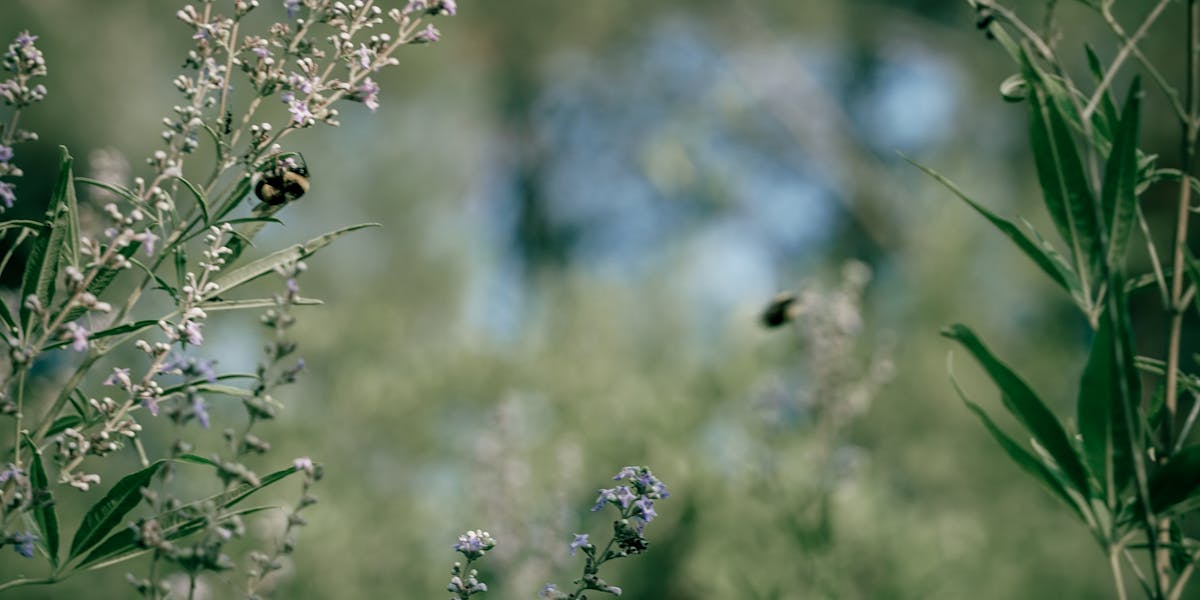
Plant native wildflowers. A patch of native wildflowers provides nectar and pollen from spring through autumn. Even a square metre makes a difference for a foraging bumblebee.
Leave some bare soil. Resist the urge to mulch or cover every patch of ground. Mining bees need access to bare, undisturbed soil to dig their nests.
Stop mowing everything. Let a section of your lawn grow long. Clover, dandelions, and selfheal will flower within weeks, providing forage that a tidy lawn cannot.
Keep dead stems standing over winter. Many solitary bees nest in hollow plant stems. Leave herbaceous perennial stems standing until April, then cut them back and leave the cut stems in a sheltered corner.
Put up a bee hotel. A simple bundle of hollow bamboo canes or drilled hardwood blocks, placed in a sunny, sheltered spot, provides nesting sites for mason bees and leafcutter bees.
The Best Plants for Wild Bees, Season by Season
Wild bees need continuous forage from early spring to late autumn. Here are some of the best native and traditional plants for each season:
Spring (March - May): Willow (Salix species), dandelion, blackthorn, hawthorn, primrose, and ground ivy. Willow is especially critical — it provides the first substantial pollen of the year for newly emerged queen bumblebees.
Summer (June - August): Red clover, white clover, knapweed, bird's-foot trefoil, ox-eye daisy, wild thyme, and foxglove. This is peak foraging season, and a diverse wildflower meadow will be alive with bees.
Autumn (September - November): Devil's-bit scabious and ivy. These two plants are lifelines for bumblebee colonies building up winter reserves and for the last solitary bees of the year. Devil's-bit scabious is particularly important in Ireland and flowers well into October.
Give Wild Bees a Home in Your Garden
Ireland's wild bees have been part of our landscape for millennia. They were here long before managed honeybee hives, and they pollinate our crops, orchards, and hedgerows with quiet efficiency. But they need flowering habitat, and that starts with native wildflowers.
Our wildflower seed mixes are designed specifically for Irish conditions, using native species that provide season-long forage for wild bees. Whether you have a large meadow or a single raised bed, you can create habitat that makes a real difference.
Browse our seed mixes and give Ireland's wild bees a fighting chance.