Medieval Grains, Modern Diabetes — What Changed?
Here is a fact that should stop you in your tracks: more than one in three American adults is prediabetic. According to the CDC, over 98 million people in the United States have blood sugar levels high enough to put them on the path to Type 2 diabetes. Ireland is not far behind — an estimated 250,000 people here live with Type 2 diabetes, and a similar number are thought to be undiagnosed.
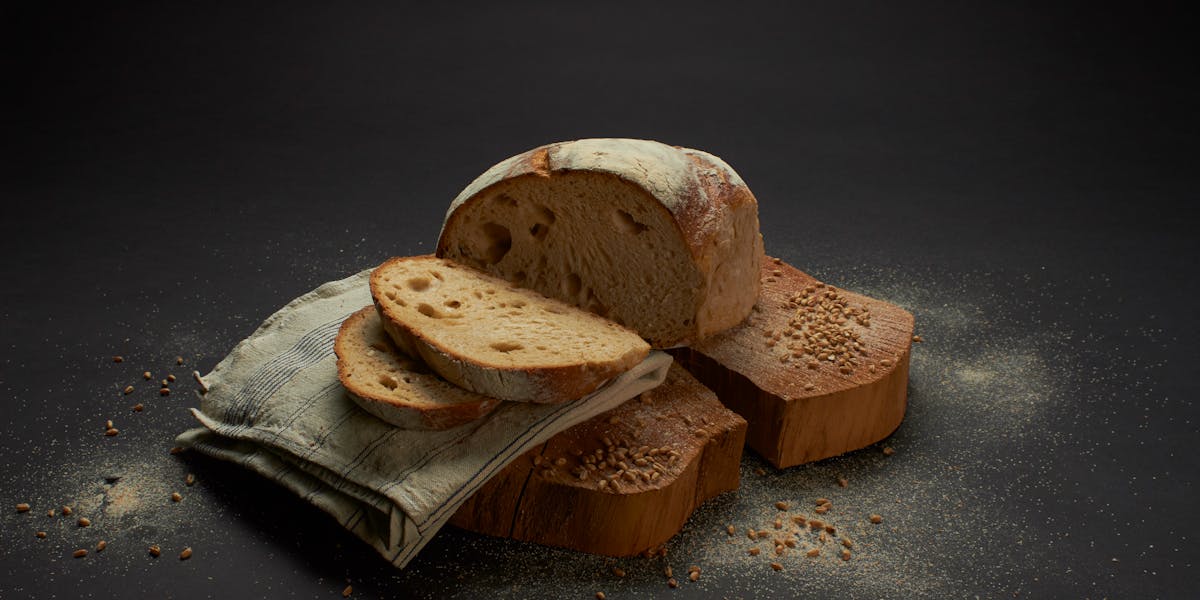
Now consider this: Type 2 diabetes was virtually unknown before the nineteenth century. Medieval physicians had no word for it because they had no need for one. Something changed between the heavy rye bread of a fourteenth-century farmhouse and the sliced white pan on a modern kitchen counter. Understanding what changed is not just a history lesson. It might be one of the most important things you learn about your diet.
What Medieval People Actually Ate
Forget any image of medieval food as crude or lacking. The peasant diet across Britain and Ireland was built on foods that modern nutritionists would recognise as remarkably sound.
The foundation was grain — but not the grain we know. Rye, barley, oats, emmer wheat, and einkorn were the staple cereals. They were stone-ground at local mills, and the resulting flour contained everything: bran, germ, and endosperm. The bread made from it was dark, heavy, and dense. It bore no resemblance to the airy white loaf we now treat as normal.
Beyond bread, the everyday meal was pottage — a thick stew of root vegetables, legumes, barley, and whatever herbs and greens were in season. Fat hen, nettles, and sorrel were gathered from hedgerows and field edges (all plants we sell seed for today, incidentally). Honey was the primary sweetener, but it was expensive enough that most people used it sparingly. Refined sugar was an exotic luxury that barely reached northern Europe before the fifteenth century.
Fermentation was central to the diet. Bread was naturally leavened — what we now call sourdough — because commercial yeast did not exist. Ale was brewed at home. Vegetables were pickled to preserve them through winter. Meat was eaten less frequently by common people, with fish filling in on the many fast days mandated by the Church.
It was, in short, a diet of whole foods, complex carbohydrates, fibre, and fermented staples. It was also a diet that did not cause diabetes.
Why Their Grains Were Different from Ours
The gap between medieval grain and modern grain is not a small one. It runs through every stage, from the variety in the field to the flour in the bag.
Ancient wheat varieties like einkorn (Triticum monococcum) and emmer (Triticum dicoccum) have a fundamentally different gluten structure from modern bread wheat (Triticum aestivum). Research suggests their proteins are more digestible and provoke less of an inflammatory response. These were the wheats that sustained Europe for millennia — and they were gradually replaced by modern varieties bred not for nutrition, but for yield and industrial baking properties.
Then there is the matter of milling. Stone-ground flour retains the whole grain — the bran and germ that contain fibre, B vitamins, minerals, and healthy fats. When steel roller mills arrived in the 1870s, everything changed. Roller milling efficiently strips the grain down to white starch, removing roughly 70% of its nutrients in the process. White flour became cheap, shelf-stable, and ubiquitous. It also became nutritionally hollow.
Finally, fermentation. A traditional sourdough undergoes 12 to 24 hours of slow fermentation. During that time, wild yeasts and lactic acid bacteria break down phytic acid (which otherwise blocks mineral absorption), increase the bioavailability of nutrients, and — crucially — lower the glycaemic index of the finished bread. Modern fast-rise bread, made with commercial yeast in one to two hours, skips all of this. It is faster and more uniform, but your body pays the price.
The Glycaemic Index Gap
This is where the numbers tell a striking story. The glycaemic index (GI) measures how quickly a food raises your blood sugar after eating. The higher the number, the sharper the spike.
- White bread: GI of roughly 75 — one of the highest of any common food. It hits your bloodstream almost as fast as pure glucose.
- Whole wheat sourdough: GI of approximately 48 to 54 — a significant drop, thanks to intact fibre and the effects of fermentation.
- Einkorn bread: Lower GI than modern wheat equivalents, with a slower, steadier release of energy.
- Rye sourdough: GI of around 40 to 45 — among the lowest of any bread. Dense, filling, and remarkably gentle on blood sugar.
The combination of whole grain, heritage variety, and long fermentation creates bread that your body handles in a completely different way. Instead of a sharp spike followed by a crash (and the hunger and cravings that follow), you get a slow, steady rise. This is the kind of bread that sustained working people through long days of physical labour — and it did so without triggering the metabolic chaos we now see on a massive scale.
What Changed: A Brief Timeline
The path from medieval grain to modern metabolic disease is disturbingly clear.
1870s: Steel roller mills make white flour cheap and widely available for the first time. Whole grain consumption begins its long decline.
1920s: Sliced bread is invented. Shelf life and convenience become the driving priorities of the baking industry.
1960s-70s: The Green Revolution introduces high-yield, short-stemmed wheat varieties that replace heritage grains across the world. These new varieties are optimised for output, not nutritional quality.
1980s onwards: Ultra-processed food comes to dominate Western diets. Added sugars and refined starches appear in everything from breakfast cereals to sandwich bread. The modern diabetes epidemic takes hold.
The correlation between the rise of refined grain consumption and the explosion of Type 2 diabetes is not subtle. We replaced dense, whole-grain sourdough with industrially produced white bread, and we replaced heritage varieties with modern monoculture wheat. Our bodies were not designed for this, and the results are now measured in hundreds of millions of cases worldwide.
The Heritage Grain Revival
The good news is that the old grains never disappeared entirely. They were maintained by seed savers, small farmers, and a handful of researchers who understood their value. Today, interest in einkorn, emmer, spelt, and heritage rye is growing rapidly — driven by bakers, growers, and people who simply want to eat food that their bodies can handle.
In Ireland, small-scale growers and artisan bakers are rediscovering these varieties and producing bread that would be recognisable to someone from the fifteenth century. The results are extraordinary: rich, complex flavours that modern wheat cannot match, and a gentler effect on digestion and blood sugar.
We sell heritage grain seeds — einkorn, emmer wheat, and heritage rye — specifically so you can grow your own. Even a modest garden patch of a few square metres can produce enough grain for regular bread baking. Mill it yourself with our stone hand mill — the same principle that kept flour fresh and whole for centuries — and you have the complete seed-to-loaf cycle. Our heritage grain growing guide walks you through the entire process, from sowing to harvest to milling and baking.
What You Can Do
You do not need to overhaul your entire diet overnight. But small, deliberate shifts make a real difference.
Switch to real sourdough. Look for bread made with a genuine long fermentation — 12 hours or more. If the ingredients list includes commercial yeast, it is not true sourdough regardless of what the label says. Better yet, start your own sourdough culture at home.
Try heritage grain flours. Einkorn, emmer, and rye flours are increasingly available from Irish mills and online. The flavour alone will convince you, and the nutritional difference is substantial.
Grow your own grain. It is more achievable than most people realise. A patch of heritage rye or einkorn connects you to thousands of years of agricultural tradition — and gives you flour that is as fresh and whole as it is possible to get. Our Heritage Grain Milling Kit includes a stone hand mill and seeds for all three heritage grains — everything you need from sowing to flour. Browse our heritage grain seeds and consult our growing guides to get started.
Eat more whole, minimally processed grains. Porridge oats, whole barley in stews, rye in bread — the staples of the old diet are still available and still effective.
Add wild greens. Fat hen, nettles, sorrel, and other edible plants were a routine part of the medieval diet. We sell seeds for many of these heritage vegetables and edible plants, and they grow readily in Irish conditions.
The medieval peasant did not have access to modern medicine, sanitation, or the comforts we take for granted. But in one crucial respect, their food was superior to ours: it did not make them sick. The grains they grew, the bread they baked, and the way they fermented their food kept blood sugar stable and metabolic disease at bay. We have the knowledge and the seeds to reclaim that. The question is whether we choose to.
This article is for educational and informational purposes only. It is not intended as medical advice and should not be used as a substitute for consultation with a qualified healthcare professional. If you have concerns about diabetes or blood sugar management, please speak with your doctor.