"Ireland Used to Smell of Wildflowers. Now It Smells of Slurry."
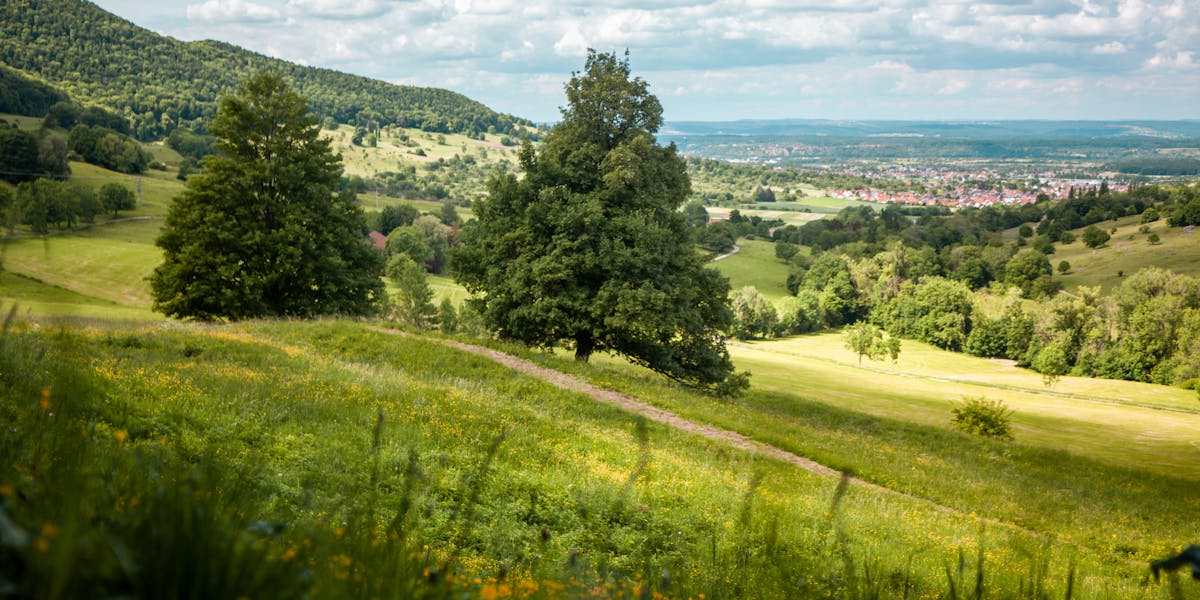
Anyone over fifty remembers it. Driving through the Irish countryside in summer with the windows down, and the air thick with the scent of clover, meadowsweet, and hay drying in the fields. Hedgerows bursting with foxglove, honeysuckle, and dog rose. The sound of bees everywhere.
Now? The dominant smell of the Irish countryside is slurry.
That's not a criticism of farmers. It's a consequence of a system that pushed production above everything else — and it's left everyone worse off. The land, the wildlife, the farmers themselves, and the communities that depend on a countryside worth visiting.
Farmers Are Caught in a Trap
Irish farmers are under siege from every angle. Emissions targets, nitrates regulations, falling prices, rising costs, and a public perception that increasingly paints them as the villains of the environmental story.
Most of that perception is unfair. Farmers didn't create the system — they were told to intensify, and they did. But the reality is that public opinion matters. It influences policy, it influences subsidies, and it influences whether the next generation wants to farm at all.
Farmers need a visible, positive story. Something the public can see with their own eyes and say: "That's good. That's beautiful. That farmer cares."
A Strip of Wildflowers Changes Everything
Imagine driving through rural Ireland and seeing a 2-metre strip of wildflowers along every road-facing hedgerow. Cornflowers, oxeye daisies, poppies, knapweed, wild marjoram. Colour from April to September. Bees and butterflies everywhere.
Every passing driver sees it. Every tourist photographs it. Every child remembers it.
That's what a wildflower corridor looks like. And it costs almost nothing to create.
What It Takes
- A 2-3 metre strip along an existing hedgerow or field margin
- A bag of wildflower seed (our 1kg Full Meadow pack covers 200-300 sq m for €110)
- One afternoon's work with a strimmer and a rake
- One cut per year in late August
That's it. No ongoing cost. No maintenance headache. No lost production from prime land — you're using the margins, the awkward corners, the bits you were mowing anyway.
What You Get Back
For pollinators: A connected corridor of forage and nesting habitat. Bees don't fly in straight lines between isolated gardens — they follow hedgerows. A strip of wildflowers along a hedgerow turns it from a barrier into a highway for wildlife.
For the farm: Natural pest control. Hoverflies, ladybirds, and parasitic wasps breed in wildflower margins and move into crops to control aphids. Studies show farms with wildflower margins use less pesticide and see no yield reduction in adjacent fields.
For public perception: A farm with wildflowers visible from the road tells a story without saying a word. It says: this farmer cares about the land. That perception is worth more than any PR campaign.
For tourism: Failte Ireland sells Ireland to the world as green, natural, and beautiful. Wildflower corridors make that story real. Agri-tourism — farm stays, walking trails, nature experiences — is one of the fastest-growing segments of Irish tourism. A farm with wildflower meadows, barn owls in the hedgerow, and butterflies in the field margins has a product to sell.
For income: Many of these actions qualify under the ACRES agri-environment scheme. Farmers can be paid to create and maintain pollinator habitat. It's one of the easiest ACRES measures to implement, and it generates income from land that was producing nothing.
The 2% Solution
Paul Handrick of the World Bee Sanctuary in Co. Wicklow has calculated that if just 2% of Irish farmland were converted to wildflower meadows, wild bee populations could recover within five years.
Two percent. On a 100-acre farm, that's 2 acres. A few strips along hedgerows and a wet corner left to flower. That's not revolutionary — it's common sense.
And when your strip connects to your neighbour's strip, and theirs to the next, you create a corridor that sustains wildlife across entire parishes and townlands. That's how landscapes heal — not through grand gestures, but through a thousand small ones, field by field, farmer by farmer.
It's Already Happening
All 42 local authorities on the island of Ireland are now partners in the All-Ireland Pollinator Plan. Over 900 Tidy Towns groups are taking pollinator actions. 328 businesses submitted evidence-based biodiversity actions in 2025.
The momentum is there. What's missing is the countryside — the farmland that makes up 67% of Ireland's land area. Without farmers, the Pollinator Plan can't succeed. With them, it can't fail.
How to Start
- Choose your strip — a road-facing hedgerow margin is ideal for visibility and impact
- Prepare in autumn — strim the strip short, rake off the cuttings, and rough up the soil
- Sow in September-October — scatter wildflower seed mixed with sand, press firmly, don't bury
- Leave it alone — let it grow through the following year
- Cut once in late August — remove the cuttings to keep soil fertility low (wildflowers prefer poor soil)
- Watch it improve — year 2 and beyond, the display gets better and better
A single bag of our Full Meadow seed covers 200-300 sq m — enough for a meaningful hedgerow corridor. For larger projects, contact us for bulk pricing.
Bring Back the Smell of Wildflowers
The Irish countryside doesn't have to smell of slurry. It can smell of clover and meadowsweet again — if we choose to make it happen.
Farmers aren't the problem. They're the solution. They control 67% of the land. A strip of wildflowers along a hedgerow costs nothing, earns income under ACRES, supports pollinators, boosts tourism, and changes public perception overnight.
It's the easiest win in Irish agriculture. And it starts with a handful of seeds.