Heritage Growing Guides
These are the vegetables your great-grandparents grew — hardy, flavourful plants that thrived in Irish gardens for centuries before being quietly displaced by a handful of commercial varieties. Every one of them deserves a place in your garden again. We've put together practical growing notes for each, drawn from verified horticultural records, historical sources, and the deep roots of European kitchen-garden tradition.
Why heritage crops matter now: Ireland imports 83% of its fruit and vegetables. Just 74 commercial growers remain. These heritage plants are perennials that produce food year after year from a single planting, survive frost and poor soil, and need no fertilisers or pesticides. They are food resilience infrastructure for your garden.
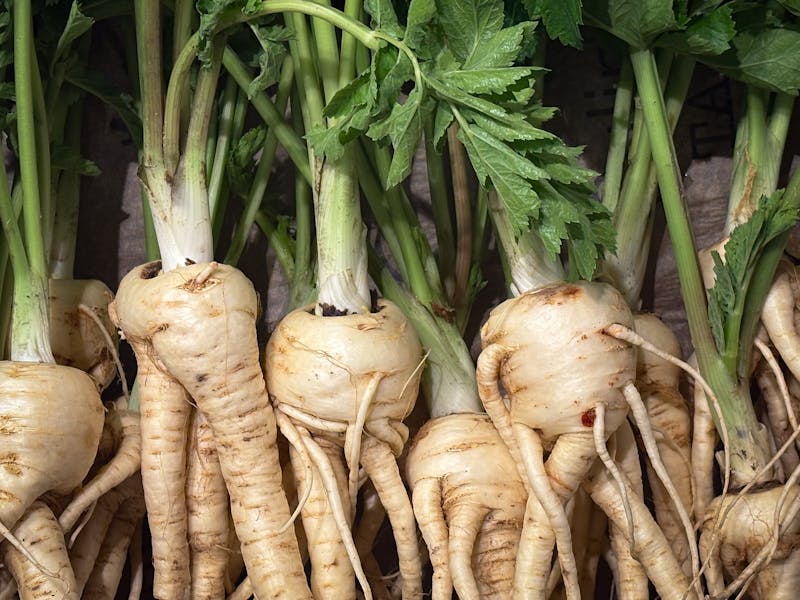
Skirret (Sium sisarum)
History & Heritage
Skirret was one of the most important root vegetables in Europe long before the potato arrived. Native to China, it reached Europe via the Romans — Pliny the Elder and Suetonius record it as a favourite of Emperor Tiberius, who reportedly demanded annual tribute of skirret from the Rhine regions. It became the pre-eminent starchy root crop in Britain and Ireland, found in records and cookbooks from the Tudor era through to around 1750. The Dutch name suikerwortel means "sugar root" — and the flavour lives up to it.
Growing Guide
- Type: Hardy perennial (zones 4–9). Lifespan 5–10+ years with regular division.
- Soil: Moist, fertile, well-worked ground — think the kind of bed you'd prepare for parsnips. Prefers sandy loam.
- Light: Full sun to part shade.
- Spacing: 12–18 inches apart.
- When to sow: Sow in spring (cold stratification helps), or plant root divisions in early spring or autumn. Division is the faster method.
- Harvest: Year 1 roots are usable but small; Year 2+ yields the best eating roots. Each plant produces a cluster of pencil-thin to finger-thick roots.
- Propagation: Divide crowns in early spring — no seed supply chain needed.
In the Kitchen
The sweet, finger-thick roots taste like a cross between a carrot and a parsnip with a honeyed edge. Scrub and roast them whole, or slice into gratins and stews. They're wonderful simply roasted with butter and a little thyme. The young leaves and flower shoots are also edible, though the roots are the main prize.
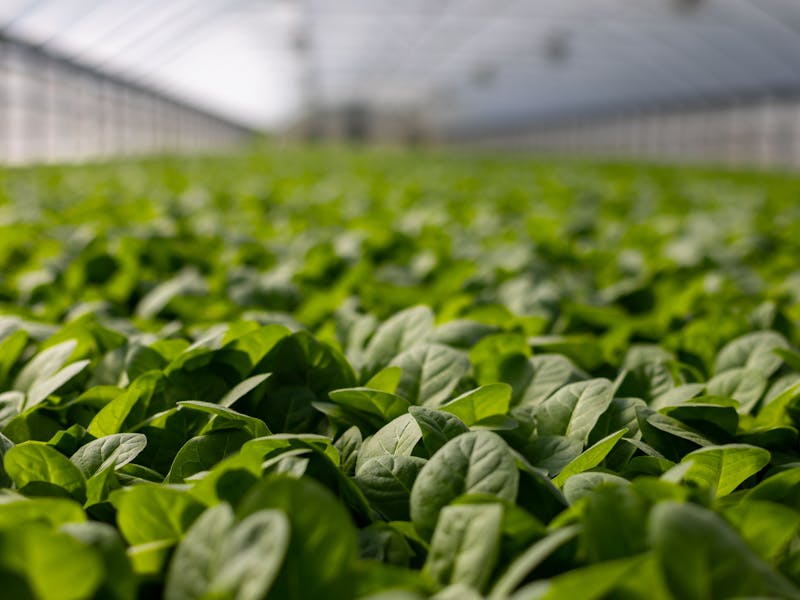
Good King Henry (Blitum bonus-henricus)
History & Heritage
One of the oldest cultivated greens in Europe, Good King Henry has been gathered and grown since the Neolithic period. Known as "Poor Man's Asparagus," it was a cottage garden essential across Ireland and Britain for centuries — a reliable perennial green that asked for almost nothing and gave generously in return.
Growing Guide
- Soil: Well-drained, reasonably fertile. Not fussy.
- Light: Full sun to part shade.
- Spacing: 12–15 inches apart.
- When to sow: Sow in spring. Be patient — germination can be slow.
- Harvest: A hardy perennial. Leave it to establish in year one. From year two, pick young leaves through the growing season and harvest the blanched shoots in early spring.
In the Kitchen
Use the young arrow-shaped leaves exactly as you would spinach — wilted, in quiches, or stirred into pasta. In early spring, the emerging shoots can be cut and steamed like asparagus. A true two-for-one vegetable.
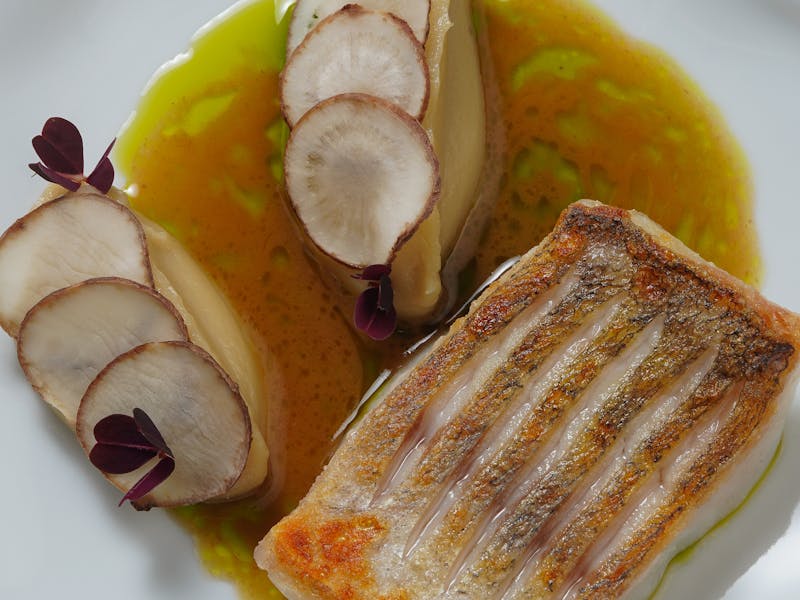
Scorzonera (Scorzonera hispanica)
History & Heritage
Known as "Viper's Grass" in medieval Europe — originally for a supposed ability to treat snakebite — scorzonera was prized as a luxury root vegetable in courts and monastery kitchens. It remained a winter staple on the Continent long after it faded from Irish and British tables, and it's well overdue a revival.
Growing Guide
- Soil: Deep, loose, stone-free soil. Dig it well before sowing — the roots need room to grow long and straight.
- Light: Full sun.
- Spacing: 6–8 inches apart, rows 12 inches apart.
- When to sow: March to May, direct sow where they are to grow.
- Harvest: Biennial. The best roots come from the first year. Lift carefully in autumn or early winter.
In the Kitchen
Peel the black skin to reveal creamy white flesh with a remarkable flavour — somewhere between asparagus and hazelnuts. Roast in olive oil, add to gratins, or slice thinly into winter salads. A genuinely special vegetable.

Salsify (Tragopogon porrifolius)
History & Heritage
The "Oyster Plant" earned its name from the subtle, oyster-like flavour of its cooked roots — a quality that made it a favourite in Victorian kitchens. Salsify is the white-rooted cousin of scorzonera, and like its relative, it was widely grown across Europe before modern commercial varieties crowded it out.
Growing Guide
- Soil: Deep, well-worked soil — as for parsnips or scorzonera.
- Light: Full sun.
- Spacing: 4–6 inches apart.
- When to sow: March to May, direct sow. Don't transplant — the taproot doesn't take kindly to disturbance.
- Harvest: Biennial. Lift roots in autumn/winter. Left to flower in year two, salsify self-seeds freely and produces lovely purple, daisy-like flowers that are also edible.
In the Kitchen
Scrub or peel the white roots and cook quickly to preserve that delicate oyster note. Lovely in a creamy gratin, roasted with lemon, or sliced into fritters. The purple flowers make a beautiful, edible garnish for salads.
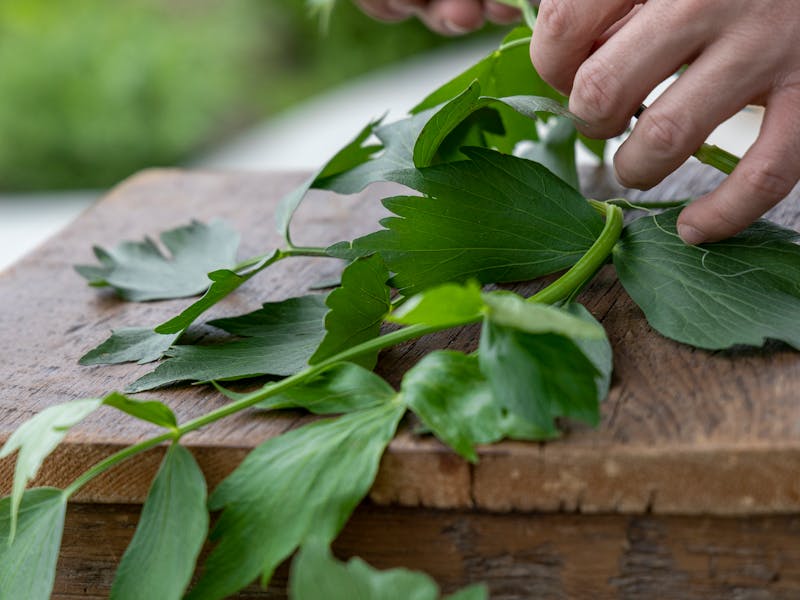
Lovage (Levisticum officinale)
History & Heritage
Lovage was the universal flavouring of the medieval kitchen — found in virtually every monastery herb garden from the 8th century onwards. Think of it as celery turned up to ten. One plant was enough for a whole household, and it came back reliably year after year with no fuss whatsoever.
Growing Guide
- Soil: Rich, moist, well-drained. Happy in most garden soils with a bit of compost worked in.
- Light: Full sun.
- Spacing: Give it room — lovage grows into a substantial plant, up to 2 metres tall. One or two plants is plenty for most gardens.
- When to sow: Sow in spring. Seed can be slow to germinate, so be patient.
- Harvest: A long-lived perennial. Pick leaves from spring through autumn. All parts are edible — leaves, stems, roots, and seeds.
In the Kitchen
Use leaves sparingly — they're powerfully flavoured. A few torn leaves transform a stock, soup, or potato salad. The hollow stems can be used as straws for Bloody Marys (really), and the seeds make a warming addition to breads and biscuits.
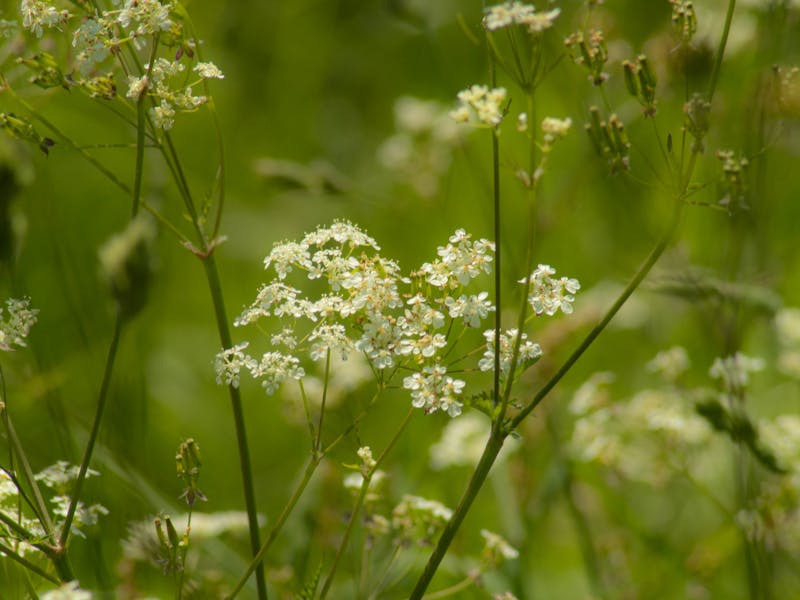
Alexanders (Smyrnium olusatrum)
History & Heritage
Alexanders was "the celery of the ancient world" — brought to these islands by the Romans and grown in every kitchen garden and monastery until celery finally supplanted it in the 18th century. Today it's naturalised across Irish coastlines, often growing wild in hedgerows near old monastic sites, a living link to centuries of cultivation.
Growing Guide
- Soil: Any reasonable garden soil. Very unfussy.
- Light: Full sun to partial shade — one of the few vegetables genuinely happy in a bit of shade.
- Spacing: 18–24 inches apart.
- When to sow: Sow in autumn for spring germination, or in spring with a period of cold stratification.
- Harvest: Biennial. Harvest young stems, leaves, and flower buds in year two. The black seeds are also edible, with a warm, peppery flavour.
In the Kitchen
Every part is edible. The young stems can be blanched and eaten like celery. The parsley-like leaves work well in salads and soups. The flower buds are excellent in stir-fries. And the black seeds, ground, make a distinctive pepper-like seasoning.

Welsh Onion (Allium fistulosum)
History & Heritage
Despite the name, Welsh Onions have nothing to do with Wales. "Wellisc" is Old English for "foreign" — these are the perennial bunching onions of East Asia, cultivated for thousands of years and grown across Northern Europe since at least the early medieval period. They never form a bulb, and they never stop being useful.
Growing Guide
- Soil: Any soil. Genuinely not fussy — they'll grow almost anywhere.
- Light: Full sun for best results, but tolerates some shade.
- Spacing: 6–9 inches apart, or grow in clumps.
- When to sow: Sow in spring. Once established, divide clumps in spring or autumn to propagate — each division grows away quickly.
- Harvest: Extremely hardy perennial. Cut leaves and stems as needed, year-round. The plant just keeps producing.
In the Kitchen
Use exactly as you would spring onions — sliced into salads, scattered over soups, stirred through stir-fries. The great advantage is that you never need to re-sow: the clumps just keep growing, giving you a perpetual supply of fresh onion greens from the garden.
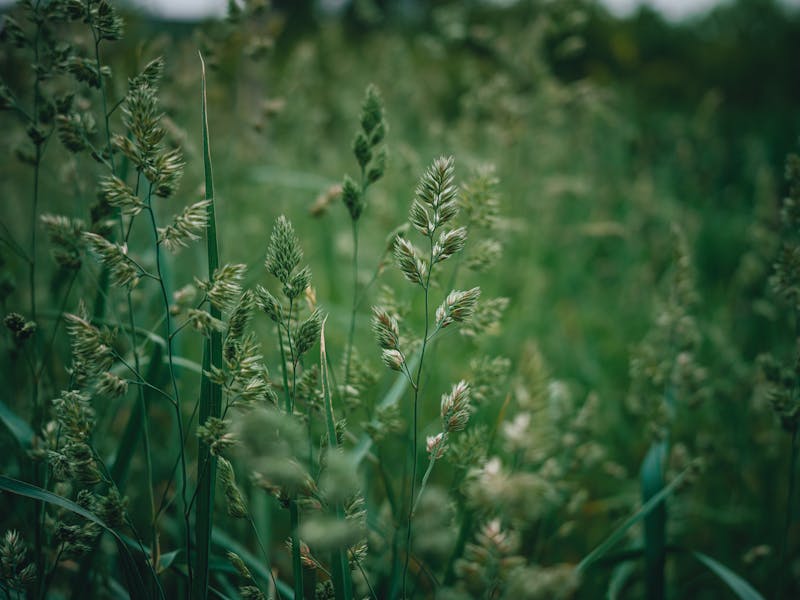
Fat Hen (Chenopodium album)
History & Heritage
Fat Hen may be the world's most common "weed," but it was also one of humanity's earliest cultivated greens. Seeds have been found at Iron Age sites across Britain and Ireland, and it was a food plant for thousands of years before modern farming consigned it to the weed category. It's a close relative of quinoa, and it's considerably more nutritious than the spinach that replaced it.
Growing Guide
- Soil: Any soil at all. Fat Hen is famously undemanding — it will grow wherever it finds bare ground.
- Light: Full sun.
- Spacing: 8–12 inches apart, or broadcast sow and thin.
- When to sow: Sow in spring. Once established, it self-seeds freely — you may only need to sow it once.
- Harvest: Annual. Pick young leaves and shoot tips regularly to keep the plant producing tender growth.
In the Kitchen
Use the young leaves as a spinach substitute — they're richer in protein, iron, and vitamin C than modern spinach. Wilt into curries, stir into risotto, or blanch and dress simply with oil and lemon. The seeds can also be gathered and cooked like tiny grains.
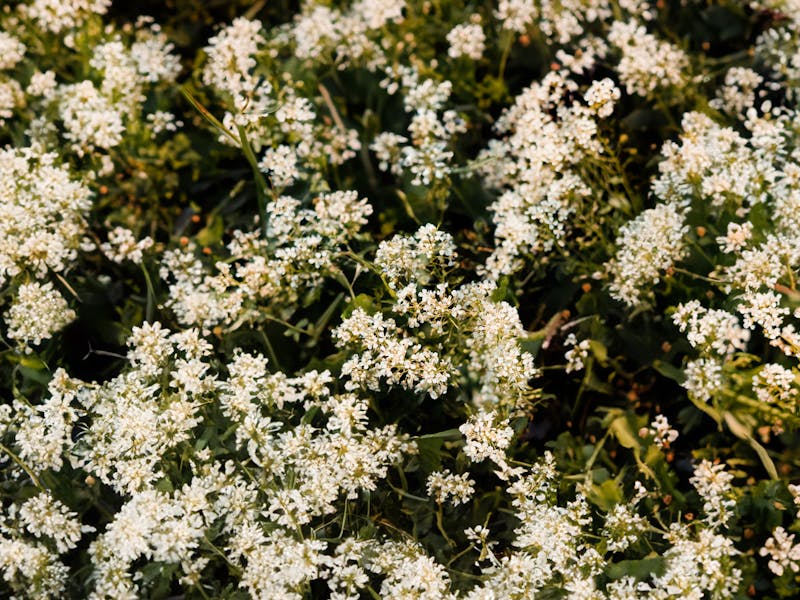
Sea Kale (Crambe maritima)
History & Heritage
Native to European coastlines, sea kale was a prized Victorian delicacy — forced and blanched in darkened pots to produce pale, tender shoots with a delicate, nutty flavour. It grows wild along Irish shores, but it was once widely cultivated in kitchen gardens as a late-winter luxury, appearing on the table when little else was available.
Growing Guide
- Soil: Sandy, well-drained soil. Mix in grit if your ground is heavy — sea kale likes the kind of free-draining conditions it gets on shingle beaches.
- Light: Full sun.
- Spacing: 18–24 inches apart.
- When to sow: Sow in autumn or early spring. Seeds benefit from cold stratification. Alternatively, plant root cuttings (thongs) in spring.
- Harvest: Hardy perennial. To force: cover the crown with an upturned pot or bucket in late winter. The blanched shoots that emerge after a few weeks are the prize — pale, tender, and wonderfully flavoured.
In the Kitchen
Steam or lightly boil the blanched shoots and serve with melted butter — the classic Victorian treatment, and still the best. The flavour is somewhere between asparagus and celery, with a gentle nuttiness. The unblanched leaves can also be used as a cooked green, though the forced shoots are the real treasure.
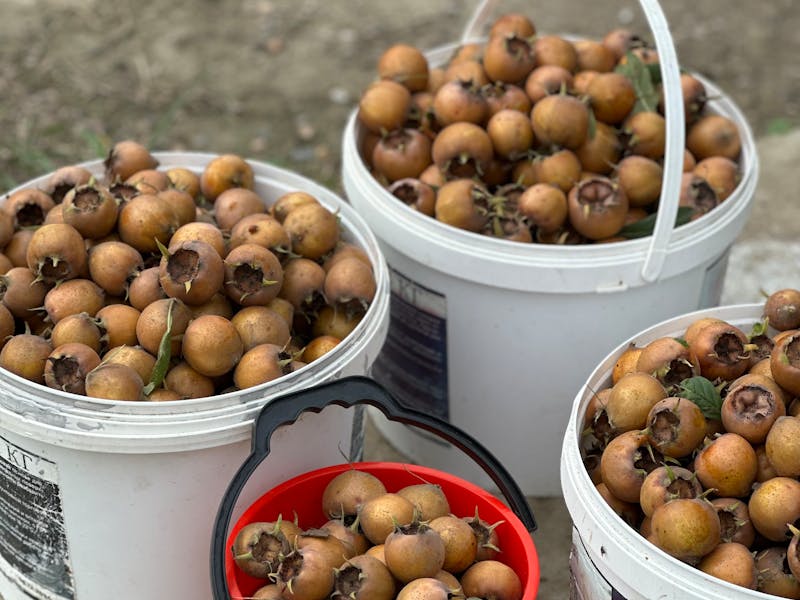
Medlar (Mespilus germanica)
History & Heritage
The medlar is one of those wonderfully eccentric medieval fruits — you pick it hard in late autumn, then let it "blet" (a controlled over-ripening) until the flesh softens to a rich, brown paste. It was beloved across medieval Europe, mentioned by Chaucer and Shakespeare, and grown in Irish walled gardens for centuries. Every heritage garden deserves one.
Growing Guide
- Soil: Any reasonable soil, including clay. Medlars are remarkably unfussy about ground conditions.
- Light: Full sun to light shade.
- Spacing: Allow 4–5 metres for a standard tree, or grow a dwarf form in a large container.
- When to plant: Plant bare-root trees between November and March while dormant. Seed-grown trees take several years to fruit, so this is a long game — but a rewarding one.
- Harvest: Hardy deciduous tree. Pick fruits after the first frost, then store indoors on a shelf to blet for 2–3 weeks until soft.
In the Kitchen
Bletted medlar flesh tastes of apple butter, cinnamon, and wine — rich, complex, and utterly unlike anything in a modern supermarket. Eat it raw from the skin with a spoon, make it into medlar jelly (magnificent with cheese), or bake it into tarts and fools. A taste of the medieval table.
Heritage Grains
Long before modern bread wheat, these were the grains that fed Europe. They're lower in gluten than modern varieties, richer in flavour, and surprisingly straightforward to grow in an Irish garden — even in a modest-sized patch. If you've ever wanted to bake a loaf from grain you grew yourself, this is where to start.
Einkorn (Triticum monococcum)
The oldest cultivated wheat in the world — first grown in the Fertile Crescent roughly 10,000 years ago. Einkorn is a small, tough, golden-grained wheat with a rich, nutty flavour and a simpler gluten structure than modern varieties. It makes dense, flavourful flatbreads and rustic loaves.
Buy Einkorn SeedsEmmer (Triticum dicoccum)
The grain of ancient Egypt and Rome — emmer was the staple wheat of the classical world for millennia. It has a deeper, earthier flavour than modern wheat and makes wonderful pasta, porridge, and hearty bread. Hardy and reliable in Irish conditions.
Buy Emmer SeedsHeritage Rye (Secale cereale)
The bread grain of Northern Europe — rye thrives where wheat struggles, happily growing in cold, wet, acidic soils that would defeat most other cereals. It's the grain behind the great dark breads of Scandinavia, Germany, and Ireland's own tradition of rye-based baking.
Buy Heritage Rye SeedsGrowing Heritage Grains
- When to sow: Autumn (September–October) for a winter crop, as you would with any cereal grain.
- Soil: Any reasonable garden soil. Rye is particularly tolerant of poor, acidic ground.
- Space: Even a 3m x 3m patch will give you enough grain for several loaves — it's surprisingly productive.
- Harvest: July–August, when the heads are dry and golden. Cut, thresh by hand, and winnow outdoors on a breezy day.
- Baking: Mill fresh for the best flavour. These grains have lower gluten than modern wheat, so expect denser, more flavourful loaves — which is exactly the point.
Wild Edible Companions
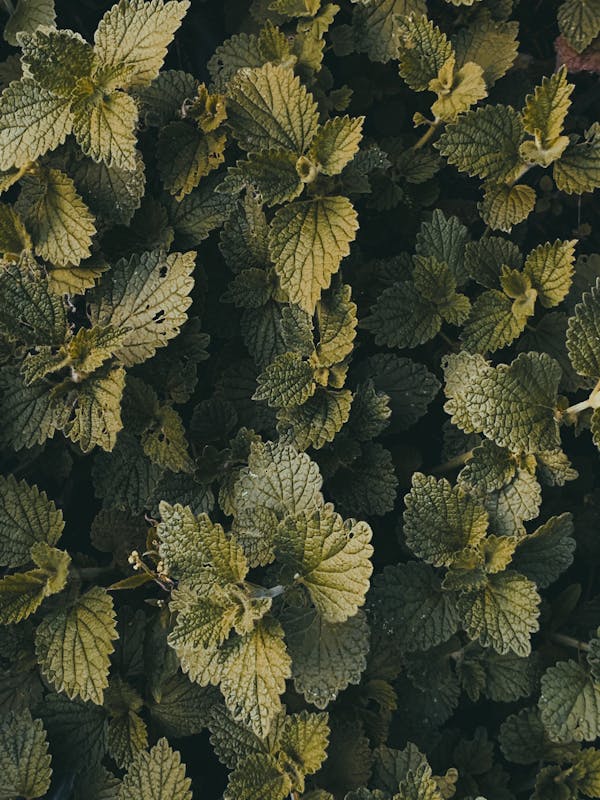
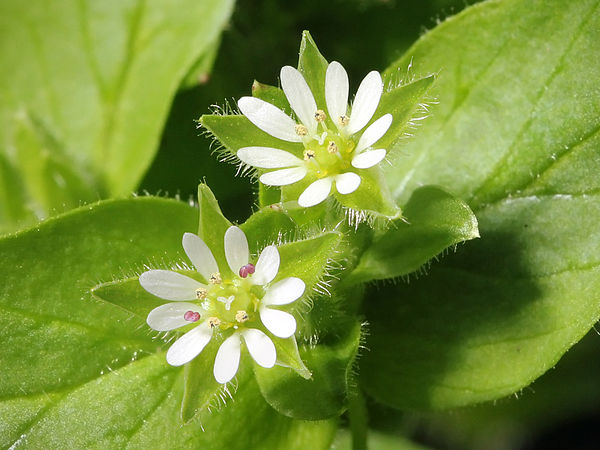
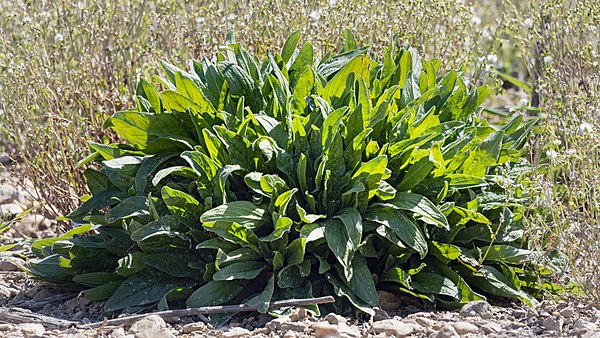
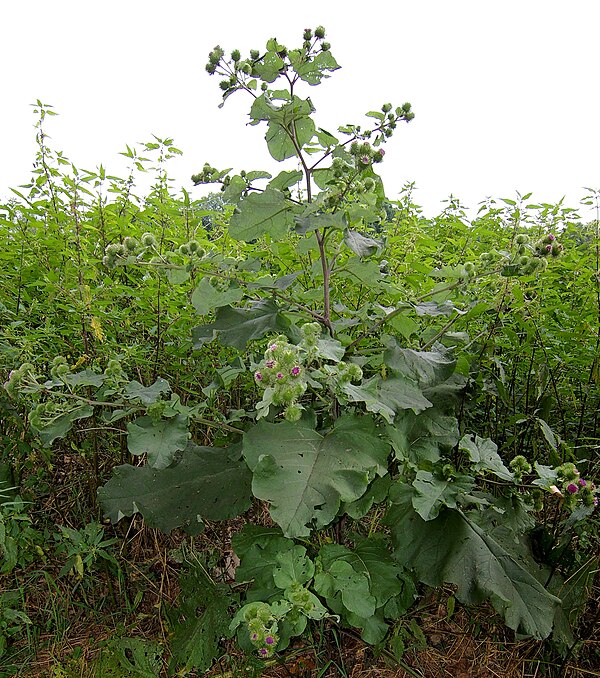
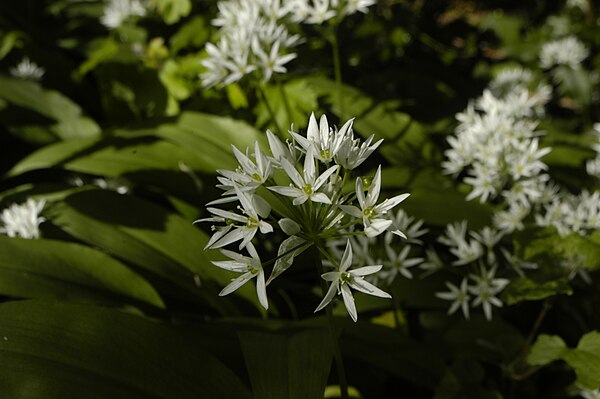
Several of the most useful heritage food plants may already be growing on or near your land for free. Archaeological evidence from sites including Barking Abbey and Viking Coppergate confirms these were a deliberate part of medieval diets. All are documented in primary medieval texts including Bald's Leechbook (9th–10th century).
Foraging safety: Never eat any plant you are not 100% certain of. Always confirm with a physical field guide — Food for Free (Mabey) or Wild Food (Phillips). For Apiaceae (carrot/umbellifer family), identification is especially critical — hemlock looks like many edibles.

Heritage Bread & Baking
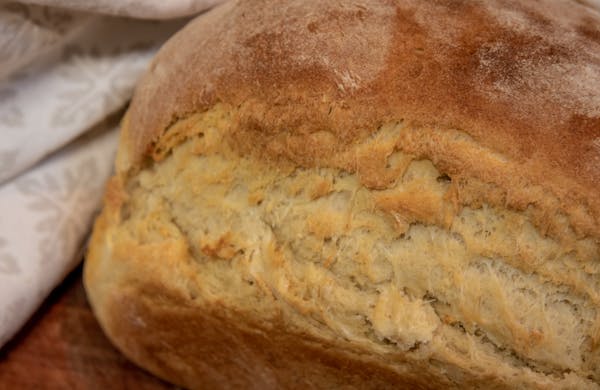
Before modern bread wheat dominated, European bakers worked with a variety of grains that produced denser, more flavourful, and more nutritious loaves. Here's what you can bake with our heritage grain seeds once you've harvested your crop.
Maslin Bread
The everyday bread of medieval England and Ireland: a mixture of wheat and rye, sometimes with barley. Dense, chewy, and deeply flavoured. Mix your einkorn or emmer with rye at roughly 60:40 for an authentic maslin loaf. Sourdough fermentation suits these grains best.
Manchet & Horse Bread
Medieval baking had a strict hierarchy. Manchet was fine white bread for the wealthy, baked from sifted flour. Horse bread was the coarser loaf of the working class — made from rye, barley, bean flour, and whatever grain was available. Both are worth recreating.
Einkorn Flatbread
Einkorn's simpler gluten structure makes it ideal for flatbreads and focaccia rather than tall sandwich loaves. Mill the grain fresh, mix a simple dough, and bake on a hot stone or cast iron. The nutty, golden result is the oldest bread in human history.
Dark Rye & Pumpernickel
True pumpernickel is baked at low temperature for 16–24 hours — the long, slow bake caramelises the sugars and produces the characteristic dark colour and deep flavour. Heritage rye is the ideal grain. No colouring added — just time, heat, and good grain.
Traditional Food Preservation
Growing heritage crops is only half the story. Knowing how to store and preserve your harvest using methods that predate electricity is the other half. These techniques are verified against academic food science and archaeological records.
Root Clamping
The medieval method for storing root vegetables through winter: dig a shallow pit, line with straw, pile in your skirret, scorzonera, and salsify roots, cover with more straw and earth. Keeps roots fresh for months without any refrigeration.
Grain Storage
Whole grain stores far longer than flour — einkorn and emmer will keep 4–5 years in a cool, dry, airtight container. Mill only what you need with a stone hand mill — freshly ground flour is incomparably better than anything from a packet. Medieval granaries used raised floors and lime-washed walls. Your equivalent: clean glass jars with tight lids, stored cool.
Drying Herbs & Greens
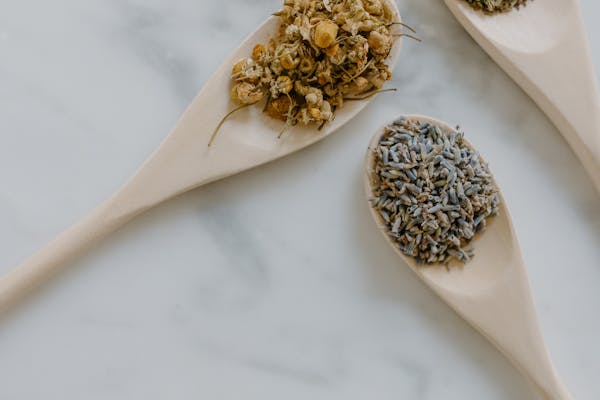
Lovage, nettle, and Good King Henry leaves all dry well for winter use. Bundle stems and hang in a warm, dry, airy spot for 1–2 weeks. Crumble dried leaves into soups, stews, and teas. A medieval larder essential.
Seed Saving
Every heritage crop we sell is open-pollinated — meaning you can save seed from your harvest and plant it next year. Let the strongest plants go to seed, collect when dry, and store in paper envelopes in a cool place. No need to buy seed again.