Aussaat-Anleitung
Diese Anleitung ist speziell für europäische Wachstumsbedingungen geschrieben — unser Klima, unsere Bodentypen und Vegetationsperioden. Befolgen Sie diese Schritte für die besten Ergebnisse mit Ihrer Pollinator Seeds Wildblumenmischung.
Wann aussäen
Es gibt zwei ideale Aussaatfenster:
- Herbst (September — Oktober): Unser empfohlenes Zeitfenster. Die Samen durchlaufen über den Winter eine natürliche Kältestratifikation, was zu einer stärkeren Keimung im Frühjahr führt. Die Herbstfeuchtigkeit reduziert den Bewässerungsbedarf.
- Frühjahr (März — Mai): Ebenfalls wirksam, besonders in kühleren Regionen, wo der Frühling später kommt. Bei Trockenheit in den ersten 4–6 Wochen gießen.
Vermeiden Sie die Aussaat im Sommer (Juni–August), wenn Trockenperioden aufkeimende Sämlinge abtöten können, oder im Winter (November–Februar), wenn der Boden zu kalt und wassergesättigt ist.
Schritt-für-Schritt-Anleitung
Boden vorbereiten
Wildblumen bevorzugen arme bis mittlere Böden — nährstoffreicher Boden begünstigt Gräser und Unkraut. Entfernen Sie vorhandene Vegetation durch Mähen und Rechen. Idealerweise offenen Boden freilegen. Auf Rasenflächen mit der niedrigsten Einstellung mähen und kräftig rechen.
Samen mit Sand mischen
Wildblumensamen sind winzig. Für eine gleichmäßige Verteilung mischen Sie Ihre Samen mit trockenem Sand im Verhältnis 3:1 (drei Teile Sand zu einem Teil Saatgut). So sehen Sie auch, wo Sie bereits gesät haben.
Gleichmäßig verteilen
Streuen Sie die Samen-Sand-Mischung gleichmäßig über die vorbereitete Fläche. Bei größeren Flächen in zwei Durchgängen im rechten Winkel zueinander säen, für bessere Abdeckung. Machen Sie sich keine Sorgen um Perfektion — die Natur ist es auch nicht.
Andrücken — nicht eingraben
Wildblumensamen brauchen Licht zum Keimen. Drücken Sie sie fest in die Bodenoberfläche, indem Sie über die Fläche gehen oder ein Brett verwenden. Bedecken Sie sie NICHT mit Erde oder Kompost — das ist der häufigste Fehler.
Bei Bedarf gießen
Bei Herbstaussaat erledigt der Regen die Arbeit normalerweise für Sie. Bei Frühjahrsaussaat während einer Trockenperiode in den ersten 4–6 Wochen sanft gießen, bis die Sämlinge etabliert sind.
Geduld haben
Manche Arten keimen innerhalb von 2–3 Wochen, andere erscheinen erst im folgenden Frühjahr. Eine Wildblumenwiese verbessert sich ab dem zweiten Jahr deutlich, wenn die Stauden sich etablieren.
Sowing Rates
Getting the sowing rate right matters. Too thick and plants compete with each other; too thin and weeds fill the gaps. Here are the recommended rates for our mixes:
| Product | Weight | Coverage | Rate |
|---|---|---|---|
| Pollinator Pocket Garden | 6g | 1–2 sq m | 3–6g per sq m |
| Pollinator Garden Mix | 30g | 6–10 sq m | 3–5g per sq m |
| Pollinator Meadow Patch | 75g | 15–25 sq m | 3–5g per sq m |
| Meadow Restoration | 500g | 100–150 sq m | 3–5g per sq m |
| Full Meadow | 1kg | 200–300 sq m | 3–5g per sq m |
| Bulk Meadow | 5kg | 1,000–1,500 sq m | 3–5g per sq m |
Tip: For overseeding into existing grassland (rather than bare soil), increase the rate to 5–7g per sq m to compensate for competition from established grass.
Mix-Specific Sowing Guidance
Our specialist mixes are designed for specific conditions. Each one needs a slightly different approach.
Bee Rescue Mix
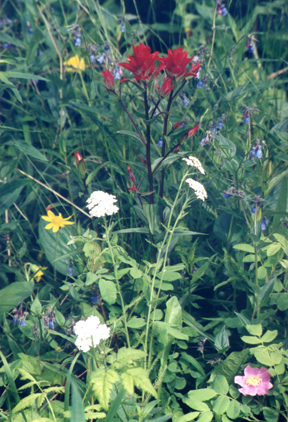
Optimised for maximum nectar and pollen output. Sow on open, sunny ground — bees need warmth. Avoid heavily shaded areas. Works well in garden borders, along fences, and in dedicated pollinator strips. Sow at 3–5g per sq m on prepared bare soil.
Butterfly Garden Mix
Butterflies need both nectar plants (adults) and larval food plants (caterpillars). This mix includes both. Sow in a sunny, sheltered spot — butterflies avoid wind. A south-facing border backed by a wall or hedge is ideal. Leave some areas of long grass nearby for egg-laying.
Shade Meadow Mix
Designed for areas receiving less than 4 hours of direct sunlight — under trees, along north-facing walls, beneath hedgerows. These species tolerate shade but still need some light. Prepare soil as normal but expect slower establishment. Sow at 4–6g per sq m.
Clover Lawn Mix
This is an overseeding mix — sow directly into your existing lawn. Mow short, scarify vigorously with a rake to expose soil, then broadcast seed. Roll or walk over to press in. Keep mowing at 5–8cm height through the first season. The clover fixes nitrogen, feeding the lawn without fertiliser.
Bogland Pollinator Mix
For wet, acidic, peaty ground — bog margins, damp field corners, pond edges, and rushy pasture. Do not drain or lime the soil; these species need it as it is. Light surface disturbance is enough. Sow in autumn when ground is naturally moist. See our Bogland Pollinators page for the full species guide.
Pollinator Cover Crop
A fast-growing annual mix for temporary ground cover between crops or on fallow land. Sow April–August on any cultivated ground. Broadcast at 5–8g per sq m. Flowers within 6–8 weeks. Dig in or mow before the next crop. Adds organic matter, suppresses weeds, and feeds pollinators while the land would otherwise be bare.
Sowing Hedgerow Margins
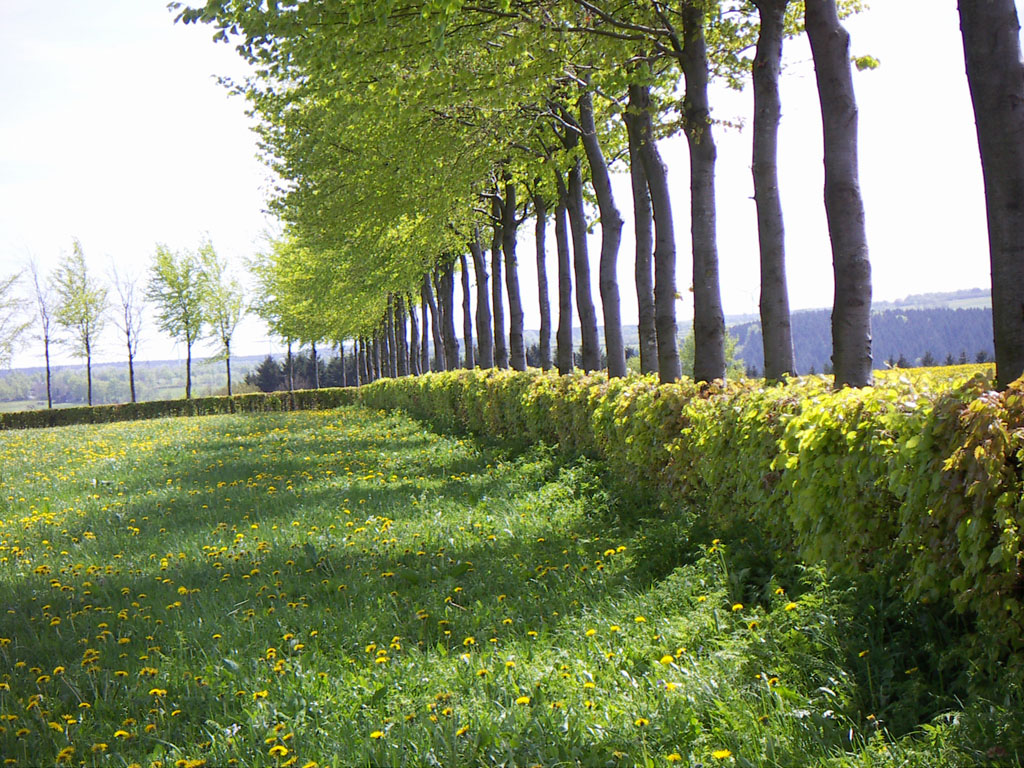
The strip of ground at the base of a hedgerow — typically 1–2 metres wide — is some of the most valuable habitat on any farm. It's sheltered, undisturbed, and ideally suited to wildflowers. If you're in ACRES, you're already being paid to leave these margins uncultivated. Adding wildflowers turns a compliance requirement into a genuine biodiversity gain.
How to sow a hedgerow margin
- Timing: Autumn (September–October) is best. The hedge provides shelter, and autumn moisture aids germination.
- Preparation: Lightly disturb the surface with a rake or harrow. You don't need bare soil — just break through the thatch enough for seed-to-soil contact. Heavy cultivation is unnecessary and disrupts the root network of the hedge.
- Sowing: Use our Pollinator Garden Mix or Shade Meadow Mix (for north-facing hedges). Sow at 4–6g per sq m. Mix with sand as usual for even distribution.
- Species to expect: Foxglove, red campion, primrose, wild garlic, hedge woundwort, and other woodland-edge species will establish naturally alongside your sown wildflowers. The hedge provides seed sources of its own.
- Management: Cut once a year in late September — after the hedge cutting season opens. Remove cuttings. Do not spray the margin.
Hedgerows and wildflower margins are not separate habitats — they are two halves of the same system. Get the hedge management right, sow the right seed at the base, and you have a corridor of life running through your farm. Read our full guide to Irish hedgerow laws to stay compliant.
Sowing Heritage Grains
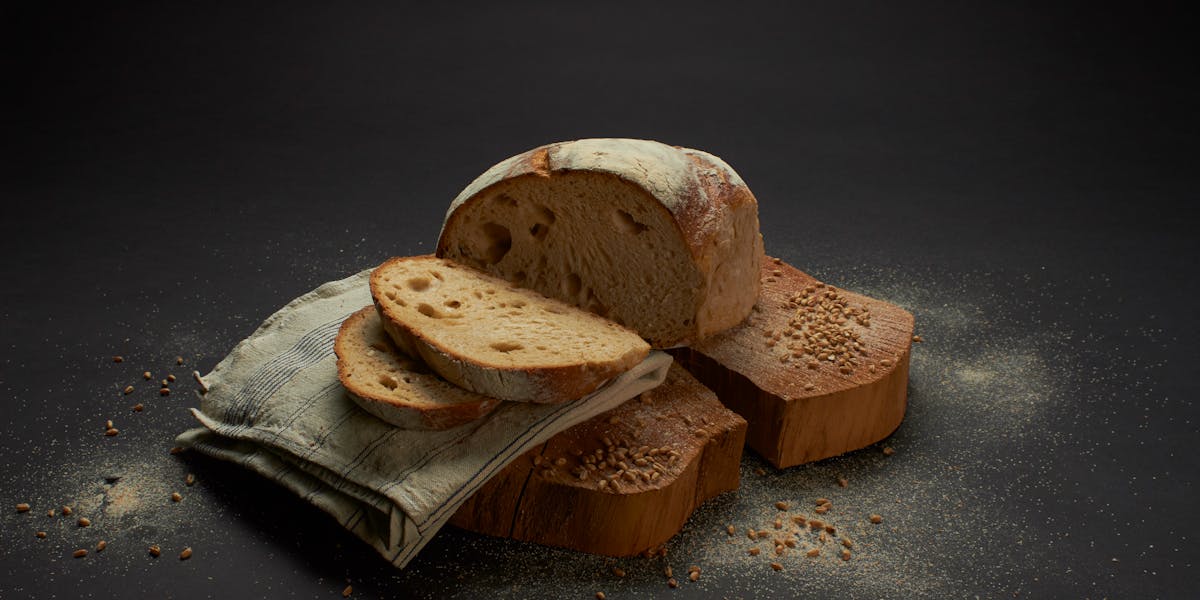
Growing grain at home is more achievable than most people think. A plot of 4–5 square metres — roughly the size of a large raised bed — can produce enough grain for several loaves of bread. Our three heritage grains each have slightly different requirements:
Einkorn
Sow: October–November (winter type) or March (spring type).
Soil: Tolerates poor, thin soils well. Prefers well-drained ground.
Spacing: Broadcast at 15–20g per sq m, rake in lightly.
Harvest: July–August when ears are golden and grain is hard. Thresh, winnow, and mill fresh with a stone hand mill.
Emmer Wheat
Sow: October–November (winter type preferred in Ireland).
Soil: Moderate fertility. Handles heavier soils better than einkorn.
Spacing: Broadcast at 15–20g per sq m.
Harvest: July–August. Emmer is a hulled wheat — the grain stays enclosed in its husk after threshing. You'll need to dehull before milling.
Heritage Rye
Sow: September–October (rye establishes fast and benefits from early sowing).
Soil: Thrives in poor, acidic, sandy soils where wheat fails — ideal for much of Ireland.
Spacing: Broadcast at 12–18g per sq m.
Harvest: July. Rye is easier to thresh than wheat and produces dense, dark flour perfect for sourdough.
For the complete growing, threshing, milling, and baking guide, see our Heritage Grain Growing Guide. Our Heritage Grain Milling Kit includes a stone hand mill and all three grain varieties — everything you need from sowing to flour.
Aftercare
Pflege im ersten Jahr
Im ersten Jahr können einjährige Unkräuter neben Ihren Wildblumen erscheinen. Wenn die Unkräuter deutlich höher als die Wildblumen sind, schneiden Sie die gesamte Fläche im Hochsommer auf etwa 10 cm. Das setzt die Unkräuter zurück, während die Wildblumen sich erholen können.
Verwenden Sie KEINE Herbizide — sie würden auch Ihre Wildblumen abtöten.
Pflege ab dem zweiten Jahr
Einmal etabliert, ist eine Wildblumenwiese extrem pflegeleicht:
- Einmal jährlich Ende August oder September mähen
- Das Schnittgut 2–3 Tage trocknen lassen (damit die Samen herausfallen können)
- Alles Schnittgut entfernen — das reduziert die Bodenfruchtbarkeit, was Wildblumen gegenüber Gräsern begünstigt
- Das war's. Kein Düngen, kein Gießen, kein Jäten.
Year 3+: What to Expect
By year three, your meadow should be a self-sustaining system. Perennials like knapweed, oxeye daisy, and bird's-foot trefoil will dominate, flowering reliably year after year. You may notice new species appearing that you didn't sow — wind, birds, and insects bring seed from surrounding habitat. This is a sign of a healthy, functioning meadow.
Continue the single annual cut in late August or September. The golden rule remains: always remove the cuttings. Leaving them on the ground enriches the soil, which favours grasses over wildflowers. On a farm, the cuttings make decent mulch for garden beds or paths.
How Our Plants Improve Soil
Wildflowers and cover crops aren't just beautiful — they actively build healthier soil. Here's what's happening underground when you sow our mixes.
Nitrogen Fixation
Legumes in our mixes — red clover, white clover, bird's-foot trefoil, tufted vetch — host Rhizobium bacteria in their root nodules. These bacteria capture nitrogen from the air and convert it into plant-available fertiliser. Red clover alone fixes 150–250 kg of nitrogen per hectare per year — equivalent to a heavy application of synthetic fertiliser, delivered for free.
Products: Clover Lawn Mix, Red Clover Seeds, Cover Crop, all standard wildflower mixes
Breaking Compaction
Deep-rooted species physically break through compacted soil layers, creating channels for water, air, and future roots. Heritage rye roots reach 1.5 metres deep. Phacelia's dense root system penetrates compacted layers and decomposes rapidly when dug in, leaving organic matter throughout the soil profile.
Products: Heritage Rye Seeds, Phacelia Seeds, Cover Crop
Building Organic Matter
Perennial wildflowers shed and regrow roots continuously, building stable soil carbon year on year. Cover crops add fast-decomposing biomass when dug in. Each 1% increase in organic matter allows soil to hold an additional 75,000 litres of water per hectare — critical in both drought and heavy rain.
Products: Cover Crop, Buckwheat, all meadow mixes
Weed Suppression
Heritage rye releases chemicals (allelopathy) that suppress weed seed germination around it. Buckwheat and clover smother weeds with dense canopy cover. A well-established cover crop reduces weed emergence in the following crop by 60–80%.
Products: Heritage Rye, Buckwheat, Clover Lawn Mix
For the full science behind soil improvement with wildflowers and cover crops, read our blog post: How Wildflowers Improve Soil Quality.
Modernised Fallow Planting
Bare fallow wastes a growing season, erodes soil, and kills soil biology. Modernised fallow sows pollinator-friendly cover crops on resting land — building soil, fixing nitrogen, and feeding bees while the land recovers.
Quick Decision Guide
| Situation | What to Sow | When |
|---|---|---|
| Empty bed (spring/summer) | Pollinator Cover Crop | April–August |
| Empty bed (winter) | Heritage Rye Seeds | September–October |
| Fallow field (ACRES) | Pollinator Cover Crop | April–May |
| Compacted ground | Phacelia + Red Clover | March–August |
| Weedy plot | Buckwheat (fast smother) | April–July |
| Post-harvest stubble | Pollinator Cover Crop | July–August |
How to incorporate: When you're ready for the next crop, mow or dig the cover crop into the top 15–20cm of soil. Leave 2–3 weeks for decomposition before planting. The chopped biomass feeds soil biology and releases nitrogen for your next planting.
For the full strategy including ACRES eligibility, nitrogen fixation numbers, and historical context, read our blog post: Modernised Fallow Planting: Why Resting Land Should Still Be Working.
Bodentipps
- Lehmböden: Fügen Sie Kies oder scharfen Sand hinzu, um die Drainage vor der Aussaat zu verbessern
- Saure Böden: Die meisten Wildblumenmischungen gedeihen gut; vermeiden Sie Kalkung
- Nährstoffreiche Gartenerde: Tragen Sie die oberen 5 cm Mutterboden ab, um die Fruchtbarkeit zu reduzieren — Wildblumen gedeihen in ärmeren Böden
- Sandige / Küstenböden: Hervorragend für Wildblumen mit minimaler Vorbereitung
A note on fertility: This is counterintuitive, but wildflowers prefer poor soil. On fertile ground, vigorous grasses outcompete slower-growing wildflowers. If your soil is very rich (dark, crumbly, well-fed garden soil), either strip the top 5cm of topsoil before sowing or add yellow rattle to your mix — it parasitises grass roots and weakens them, giving wildflowers space to establish. Our standard mixes already include species suited to moderate Irish soils.
Common Mistakes
We see these regularly. Avoid them and your results will be dramatically better:
Burying the seed
The number one mistake. Most wildflower seeds need light to germinate. Press them into the surface — never cover with soil or compost. If you can't see the seeds on the surface after sowing, they're too deep.
Sowing into uncleared grass
Scattering seed onto an existing lawn or meadow without preparation is a waste of seed. Established grass will smother the seedlings. You must expose bare soil — at minimum, scalp and scarify. The clover lawn mix is the exception, as clover is vigorous enough to compete.
Feeding the soil
Do not add compost, fertiliser, or manure to a wildflower area. It helps grasses, not flowers. Wildflowers evolved on poor ground. The poorer the soil, the better they compete.
Giving up after year one
Year one often looks weedy and disappointing. Annual weeds germinate fast and tower over slow-growing perennials. This is normal. The perennials are establishing root systems underground. By year two, the meadow transforms. Patience is the most important tool you have.
Mowing too often
A wildflower meadow is not a lawn. Once established, cut once a year in late August or September. More frequent mowing removes flowers before they set seed and starves pollinators of forage.
Using herbicide nearby
Herbicide drift from adjacent spraying can devastate a wildflower area. Maintain an unsprayed buffer of at least 2 metres. If you're in ACRES, this is already a scheme requirement for field margins.
Month-by-Month Calendar
What to do and what to expect, season by season. This applies to established meadows (year 2+). Year one is mostly about patience and weed management.
January – February
Do: Nothing. Leave the meadow alone. Dead stems provide overwintering shelter for insects.
Expect: First green shoots of primrose and ground ivy. Early bumblebee queens may emerge on mild days.
March – April
Do: Spring sowing window opens (March–May). Plan new areas. Order seed.
Expect: Dandelions, primrose, and cowslips provide early nectar. Last chance to sow heritage grains (spring varieties).
May – June
Do: Enjoy the show. Resist the urge to mow. Mark your meadow so others know it's intentional, not neglected.
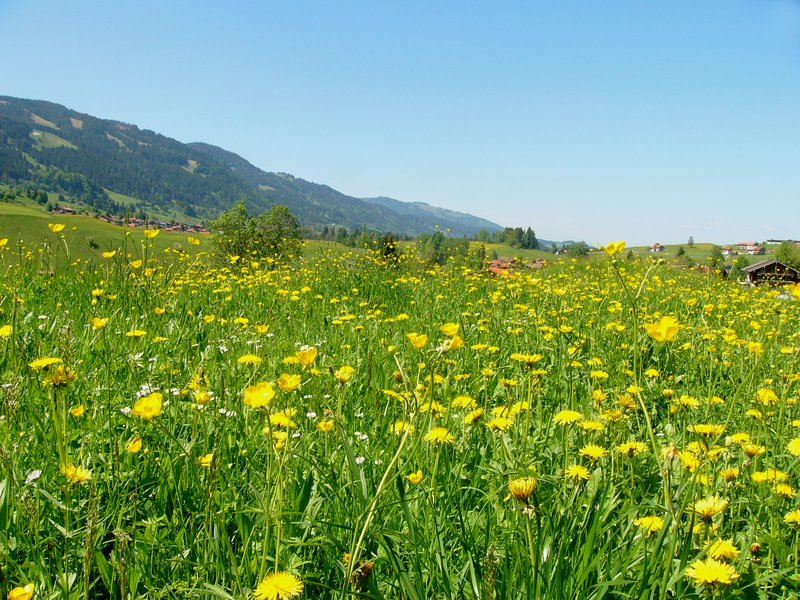
Expect: Oxeye daisy, red clover, bird's-foot trefoil, and buttercups in full flower. Peak pollinator activity begins.
July – August
Do: Year 1 only: if weeds are very tall, cut to 10cm in mid-July and leave wildflowers to recover. Year 2+: leave until late August.
Expect: Knapweed, field scabious, and wild marjoram at their peak. Butterflies everywhere. Harvest heritage grains.
September – October
Do: Cut the meadow in late August or early September. Leave cuttings 2–3 days, then remove. This is also the prime autumn sowing window for new areas.
Expect: Devil's-bit scabious provides late forage. Ivy flowers on the hedgerows. Sow new wildflower areas and heritage grains now.
November – December
Do: Leave dead stems standing — they shelter overwintering insects and look beautiful with frost. Tidy paths, not the meadow itself.
Expect: Seeds dropping and settling into the soil. The meadow is recharging for next year.
ACRES & Agri-Environment Scheme Compliance
If you're sowing wildflowers as part of an ACRES plan or other agri-environment scheme, there are specific requirements to be aware of. Getting these right protects your payments and ensures your work delivers real biodiversity outcomes.
- Seed provenance: Many ACRES actions require certified native provenance seed. Our mixes use verified Irish-provenance native seed from DAFM-registered producers. We can provide documentation of provenance on request.
- Species composition: ACRES may specify which species are required or prohibited. Check your plan with your advisor before ordering. We publish full species lists for every mix and can advise on suitability.
- Sowing rates: Scheme rates typically specify 3–5g of wildflower seed per square metre. Our product coverage figures are calibrated to these rates.
- Unsprayed margins: Field margins under ACRES must be left unsprayed and uncultivated. Sow wildflowers into these margins to maximise their biodiversity value — see Hedgerow Margins above.
- Record keeping: Keep your seed purchase receipt, species list, and sowing date. These may be needed for inspections. We include species lists with every order.
- Hedgerow cutting: Remember the Wildlife Act closed season: no hedgerow cutting from 1 March to 31 August. This is a legal requirement and a cross-compliance condition. See our full guide to Irish hedgerow laws.
For more detail on ACRES payments and how wildflower sowing fits into your plan, read our blog post on the ACRES scheme.